
Addressing School Bullying: Comprehensive Prevention Strategies That Work
Bullying in schools has become a widespread problem, affecting students of all ages, backgrounds, and communities. This issue not only impacts the mental and emotional well-being of the victims but also has a detrimental effect on their academic performance and social interactions. The consequences of bullying are far-reaching and can even lead to severe outcomes such as depression, self-harm, and suicide. To tackle this growing concern, schools must implement comprehensive prevention strategies that address bullying in all its forms. In this article, we will discuss the ways in which schools can effectively address bullying and create a safe and inclusive learning environment for all students.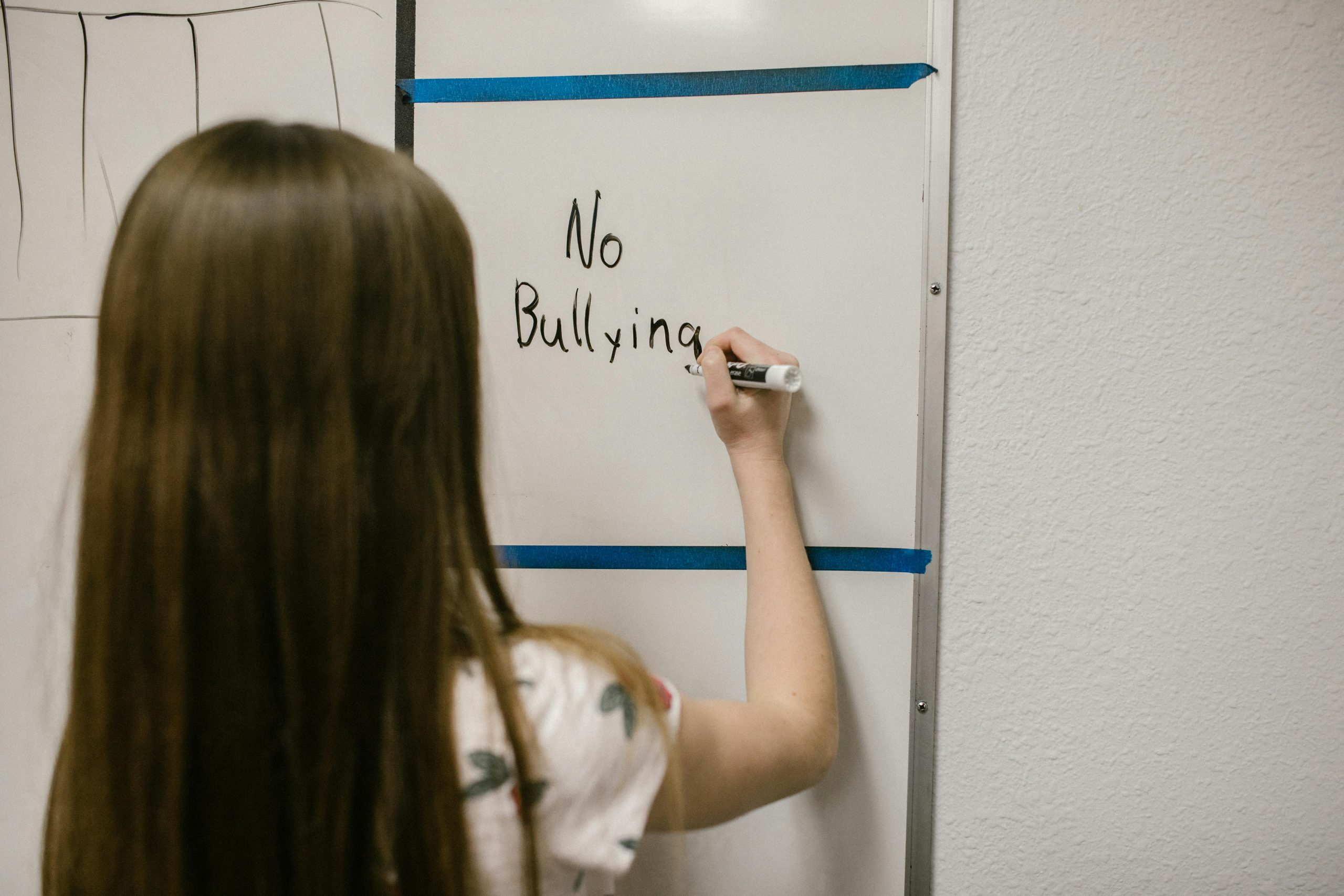
Understanding Bullying: Types and Impact
Before we dive into the prevention strategies, it is essential to understand what constitutes bullying and the different forms it can take. Bullying is a repetitive and intentional aggressive behavior that occurs between individuals with an imbalance of power. It can be physical, verbal, social, or cyber and can take place in various places, including in person and online. The most common forms of bullying include teasing, name-calling, exclusion, spreading rumors, physical attacks, and threats.
The Short and Long-Term Effects of Bullying
Bullying can have short-term and long-term effects on both the victims and the perpetrators. In the short term, victims may experience anxiety, depression, low self-esteem, and physical injuries. They may also struggle with academic performance, attendance, and social interactions. In the long term, victims may suffer from mental health issues, substance abuse, and even post-traumatic stress disorder. On the other hand, bullies may also face consequences such as academic, legal, and social repercussions.
Effective Prevention Strategies for Schools
To effectively address bullying in schools, a comprehensive approach is necessary. This involves a combination of prevention, intervention, and follow-up measures to create a safe and supportive environment for all students. Below are some key strategies that schools can implement to prevent and address bullying among students.
Establishing Clear Policies and Procedures
Having clear and concise policies and procedures in place is essential to addressing bullying in schools. These should clearly define what bullying is and the actions that will be taken if it occurs. The policies should also outline the roles and responsibilities of teachers, staff, students, and parents in preventing bullying. It is crucial to communicate these policies regularly to all members of the school community and to ensure consistent enforcement.
Promoting Positive School Culture
Creating a positive school culture is key to preventing bullying and promoting a healthy and inclusive environment. This can be achieved through various methods such as implementing anti-bullying programs, promoting positive behaviors and values, and celebrating diversity and inclusion. By fostering a positive school culture, students are more likely to feel a sense of belonging, have positive relationships, and be less likely to engage in bullying behavior.
Empowering Students to Be Upstanders
Empowering students to be upstanders instead of bystanders is crucial in preventing bullying. This means encouraging students to speak up and report incidents of bullying when they see them happening. Schools can do this by providing students with the necessary skills and tools to intervene safely and effectively. This can include training in conflict resolution, assertiveness, and empathy. By involving students in the prevention process, they become active participants in creating a positive and safe school environment.
Providing Support and Resources
It is essential for schools to offer support and resources to both the victims and the perpetrators of bullying. Victims may benefit from counseling, peer support, and other interventions to cope with the effects of bullying. For bullies, it is essential to address the underlying issues that may be causing their aggressive behavior and provide them with appropriate support and resources to help them change their behavior. This can include anger management, counseling, and mentoring programs.
Collaborating with Parents and Community
Collaboration between schools, parents, and the community is critical in effectively addressing bullying. Parents should be aware of their child’s behavior and any issues they may be facing. Schools can involve parents by providing them with resources and information on how to recognize and address bullying at home. Working with the broader community can also help in establishing a safe and supportive environment for students, both within and outside school walls.
Conclusion
In conclusion, addressing school bullying requires a comprehensive and collaborative approach involving all members of the school community. By implementing clear policies, promoting a positive school culture, empowering students, providing support and resources, and collaborating with parents and the community, schools can effectively prevent and address bullying among students. It is crucial for schools to prioritize creating a safe and inclusive learning environment for all students, and by addressing the issue of bullying, we can make this a reality.