Learning Basic First Aid Skills for Emergency Preparedness
Emergencies happen when we least expect it, and having the ability to respond quickly and effectively can make all the difference. Knowing basic first aid skills is not just for healthcare professionals, but also for everyday individuals who may find themselves in a situation where immediate action is needed. From minor cuts and scrapes to more serious situations, learning basic first aid skills can save a life. In this article, we will discuss the importance of learning these skills, what you can expect to learn, and how to prepare yourself for any potential emergency situation. So let’s dive in and learn the basics of first aid for emergency preparedness.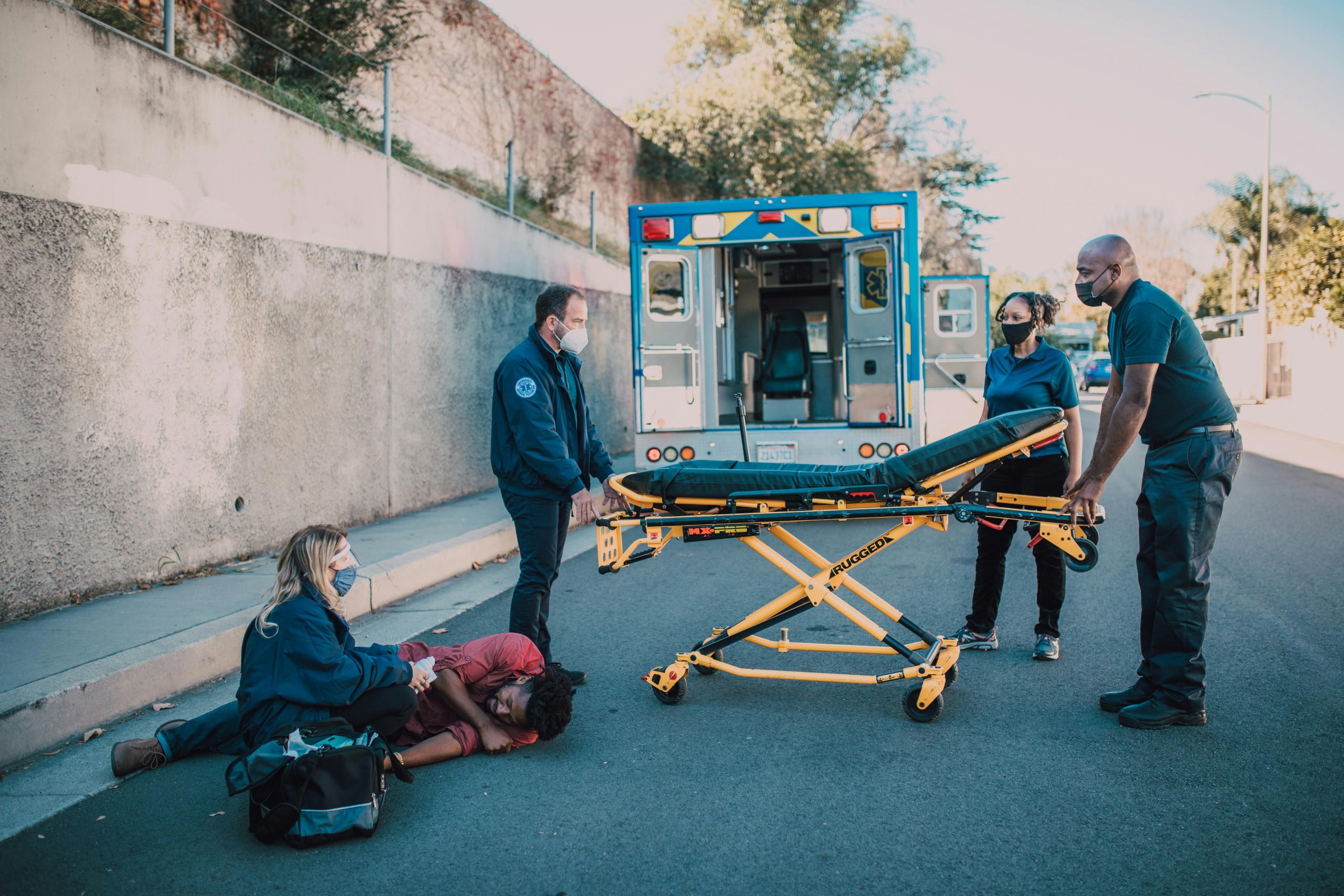
Why Learning Basic First Aid Skills is Important
Accidents can happen anytime, anywhere, and to anyone. It could be at home, in the workplace, or while out in public. In such situations, having someone with even the most basic first aid knowledge can be life-saving. In fact, studies have shown that administering first aid in the first few minutes after an injury can significantly improve the chances of survival and reduce the severity of long-term consequences.
Moreover, learning first aid skills not only prepares us to act in emergency situations but also gives us the confidence to handle them efficiently. Knowing what needs to be done can help prevent panic and ensure that the situation is under control. Plus, having first aid knowledge can also make you a valuable asset in your community, allowing you to assist others in need.
What You Can Expect to Learn
First Aid Basics
The first step in learning first aid is understanding the basic principles. This includes assessing the situation, checking for any potential dangers, and performing the necessary steps to ensure the safety of the victim and yourself. You will also be taught how to communicate with others and how to call for help in case of an emergency.
Injuries and Illnesses
From minor injuries like cuts, scrapes, and burns to more severe conditions like fractures, sprains, and heart attacks, a basic first aid course will cover a wide range of common injuries and illnesses. You will learn how to recognize the signs and symptoms, and how to administer the appropriate first aid treatment.
Cardiopulmonary Resuscitation (CPR)
CPR is a lifesaving technique used in situations where someone is not breathing or their heart has stopped. It involves chest compressions and rescue breathing, and learning the proper technique can mean the difference between life and death. Basic first aid courses teach CPR for both adults and infants, giving you the confidence to administer it if needed.
AED Usage
An Automated External Defibrillator (AED) is a portable device that can help restore a regular heart rhythm in someone experiencing a cardiac arrest. As defibrillation should be administered as soon as possible, learning how to properly use an AED can be crucial in saving someone’s life. Many basic first aid courses include training on AED usage.
How to Prepare for an Emergency
Being prepared for an emergency means having the necessary supplies and knowing how to use them. As part of a basic first aid course, you will also learn about first aid kits and their contents, as well as how to properly use them in an emergency. It is essential to have a fully stocked first aid kit at home, in your car, and even at work.
Additionally, it is crucial to practice your skills regularly. Like any other skill, first aid skills require practice to remain fresh in your mind. You can join a local first aid group, volunteer in your community or take refresher courses to keep your skills up-to-date.
It is also worth mentioning that learning first aid skills is not a one-time event. As new techniques and guidelines are introduced, it is essential to stay updated and refresh your knowledge regularly.
Conclusion
Being equipped with even the most basic first aid skills can make a significant difference in a time of crisis. It not only allows you to respond appropriately in an emergency but also instills confidence in yourself and others. Whether it is at home, at work, or in the community, knowing first aid can save lives. So don’t wait for an emergency to strike, take the first step in being prepared by learning basic first aid skills today.