Innovative Ways Fashion Designers are Embracing Inclusivity
Fashion is an ever-evolving industry that is constantly pushing boundaries and setting new trends. In recent years, the fashion world has been making strides towards inclusivity and diversity, and the movement is gaining momentum. Gone are the days when models were expected to fit a certain mold and designers only created clothing for a specific body type. Fashion is now embracing individuals from all walks of life and breaking down barriers. In this article, we will explore the innovative ways fashion designers are embracing inclusivity and why it is such an important step forward for the industry.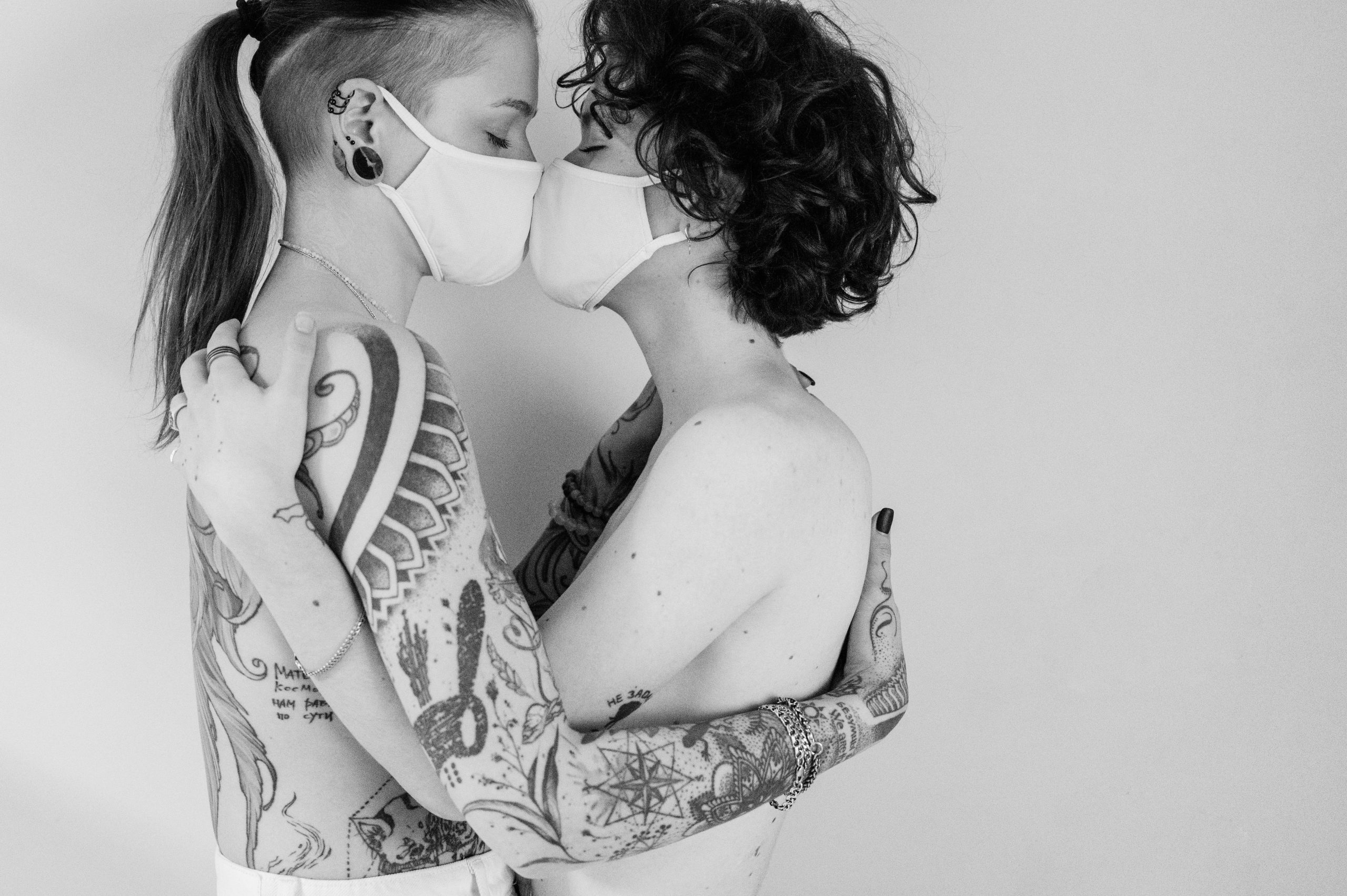
Designing for All Ages
In the past, the majority of designs were focused on younger generations, ignoring the needs and desires of older consumers. However, fashion designers are now realizing the potential of this untapped market and are creating collections that cater to all ages. This move towards inclusivity not only provides older individuals with a wider variety of options but also promotes the idea that fashion is not just for the young. Popular brands like Zara, H&M, and Old Navy are leading the way by featuring diverse models of all ages in their campaigns and showcasing clothing that is suitable for everyone.
Expanding Size Ranges
Another significant step towards inclusivity in fashion is the expansion of size ranges. For far too long, the industry has been criticized for its lack of representation of plus-size individuals. However, designers are finally recognizing the diverse body types of their audience and designing clothing that accommodates a wider range of sizes. Brands like Savage x Fenty, ASOS, and Fabletics are setting a new standard by offering extended sizes for their customers. This shift not only caters to a larger audience, but also promotes body positivity and inclusivity in the fashion world.
Celebrating Different Cultures
Fashion is a universal language that brings people together, and it is essential for designers to celebrate the diverse cultures that make up our world. Designers are now incorporating traditional styles, prints, and fabrics from various cultures into their collections, creating a beautiful fusion. This trend not only broadens the options for consumers but also promotes cultural appreciation and understanding. Many high-end designers like Valentino, Gucci, and Burberry are showcasing these diverse influences in their designs, making fashion more representative and inclusive.
Breaking Gender Norms
Gone are the days when fashion was divided into menswear and womenswear. Designers are now challenging traditional gender norms and creating collections that are gender-fluid and unisex. This move towards inclusivity not only provides more options for consumers but also promotes the idea that fashion is for everyone, regardless of their gender. Brands like Gucci, Calvin Klein, and Marc Jacobs have all released gender-fluid collections, emphasizing the idea that fashion has no boundaries.
Hiring Diverse Models
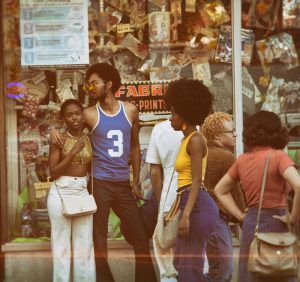
Another way fashion designers are embracing inclusivity is by hiring diverse models to represent their collections. In the past, models were expected to fit a specific standard of beauty, and the industry was highly criticized for its lack of diversity. However, designers are now breaking away from this mold and featuring models of different races, ethnicities, body types, and abilities. These models represent a more accurate and inclusive portrayal of society, and their presence in the fashion world is a step towards positive change.
Collaborating with Minorities
In addition to featuring diverse models, fashion designers are also collaborating with minority groups to create unique collections that celebrate their culture and traditions. These collaborations not only promote inclusivity but also expose fashion lovers to new styles and influences. Brands like Tommy Hilfiger, Adidas, and Kenzo have all collaborated with minority groups to create collections that celebrate different cultures and embrace diversity.
Conclusion
The fashion industry has come a long way in terms of inclusivity, and it is heartening to see designers taking steps towards positive change. From designing for all ages and expanding size ranges to celebrating different cultures and breaking gender norms, fashion designers are making great strides in embracing inclusivity. By representing a diverse range of individuals through their designs, fashion is becoming more representative of society as a whole. It is an exciting time to be a part of the fashion world, and we can only hope that this movement towards inclusivity continues to grow and evolve.