The Evolution of Formal Wear and Dress Codes Over Time
Formal wear and dress codes have undergone a significant evolution over time, reflecting changes in societal norms, cultural influences, and fashion trends. From the sophisticated Victorian era to the sleek and modern styles of today, formal wear has continuously adapted to suit the needs and wants of its wearers. In this article, we will take a closer look at the evolution of formal wear and dress codes, exploring the origins of popular styles and the factors that have shaped their development over the years.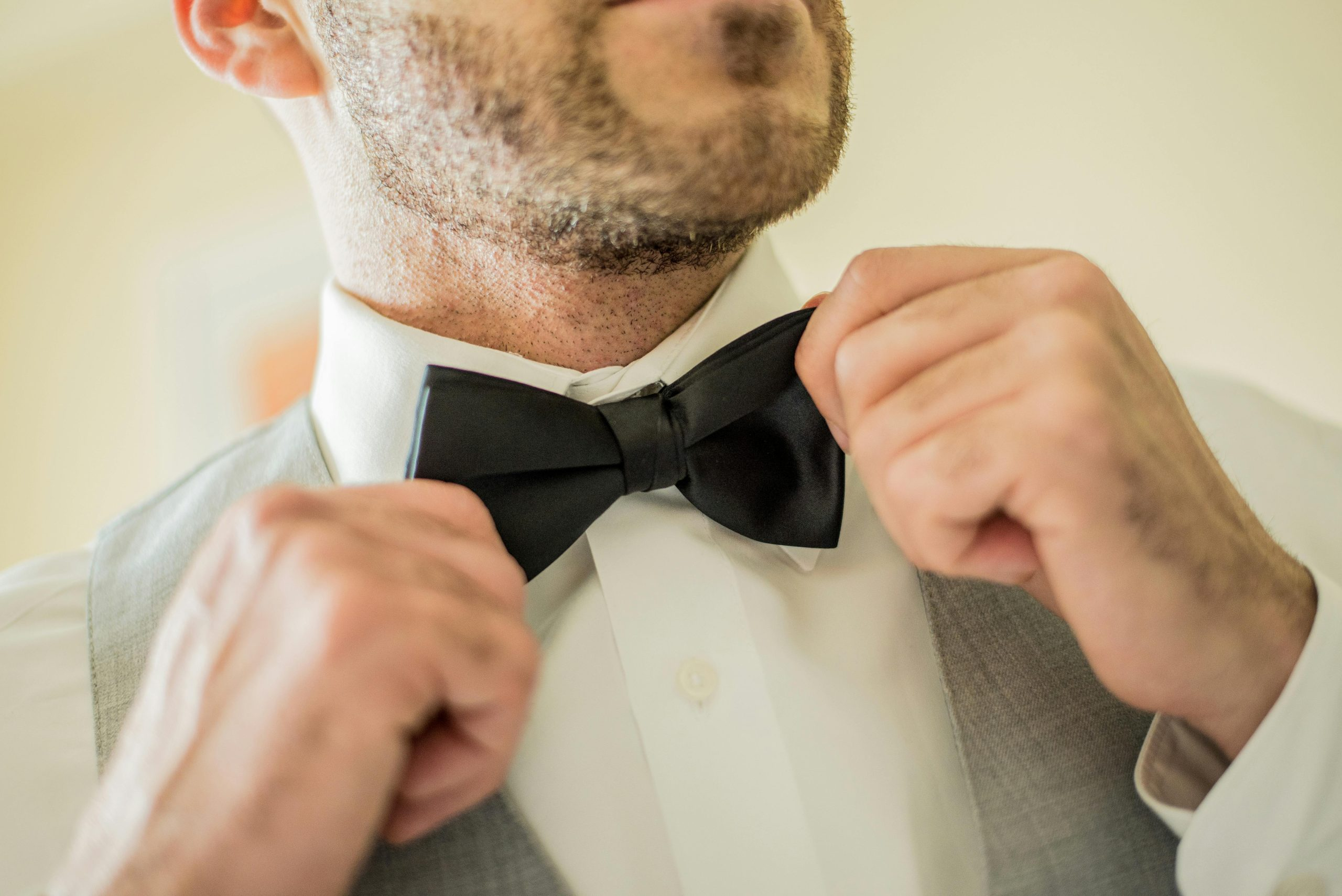
The Victorian Era (1837-1901)
During the Victorian era, formal wear was a symbol of class and social status. Men and women were expected to adhere to strict dress codes, with elaborate, ornate designs and multiple layers defining the fashion of the time. For men, the most formal attire consisted of a tailcoat, waistcoat, trousers, and a cravat or bowtie. Women, on the other hand, were expected to wear full-length gowns with tight corsets and layered petticoats, often featuring intricate lace and embroidery.
The Roaring Twenties (1920-1929)
The 1920s saw a significant shift in formal wear, as hemlines rose, and styles became more relaxed and simplified. Women ditched their corsets and opted for shorter, looser dresses with more fluid, flowing silhouettes. This shift was a reflection of the changing attitudes towards fashion, as women began to embrace more practical and comfortable clothing. Men’s formal wear also saw changes during this time, with tuxedos becoming the go-to choice for formal events.
The Golden Age of Hollywood (1930s-1950s)
The 1930s to the 1950s is often referred to as the Golden Age of Hollywood, and it was during this time that formal wear truly became glamorous and luxurious. The influence of movie stars and designers like Christian Dior and Coco Chanel resulted in elegant and sophisticated styles for both men and women. Women’s fashion included figure-hugging gowns with cinched waists and fuller skirts, while men’s formal wear featured tailored tuxedos, often paired with fedora hats.
The Swinging Sixties (1960-1969)
In the 1960s, fashion took a dramatic turn towards more experimental and daring styles. The youth culture of the time rejected the conservative attitudes of their parents and embraced trends like miniskirts, bold prints, and bright colors. Formal wear also saw changes during this time, with short cocktail dresses becoming a popular choice for women, and men opting for colorful, patterned suits.
The Modern Era (1970s-Present)
Since the 1970s, the boundaries of formal wear have continued to be pushed, with fashion becoming more diverse and inclusive. The rise of the punk and grunge movements in the 70s and 90s, respectively, resulted in a more casual approach to formal wear, with the incorporation of elements like ripped jeans, leather jackets, and unconventional hairstyles. In recent years, a new trend of gender-fluid formal wear has emerged, with designers creating pieces that can be worn by anyone, regardless of their gender identity.
The Future of Formal Wear
As we look towards the future, it is evident that formal wear will continue to evolve, reflecting the changing attitudes and perspectives of society. The rise of sustainable fashion and the incorporation of technology in clothing design are just a few examples of how formal wear will continue to adapt and innovate. With the increasing acceptance of individuality and diversity in fashion, the future of formal wear is sure to be exciting and unpredictable.
In conclusion, the evolution of formal wear and dress codes over time has been a fascinating journey, reflecting the ever-changing nature of fashion and its ability to adapt and transform. From the strict rules of the Victorian era to the avant-garde styles of today, formal wear has continuously reinvented itself, making its mark on history and shaping the way we express ourselves through clothing. As we move forward, let us celebrate the past while embracing the future, knowing that formal wear will continue to adapt and evolve in ways we could have never imagined.