
The Importance of Community for Mental and Social Health
In today’s fast-paced world, it’s easy to feel disconnected and isolated from those around us. We often get lost in our own thoughts and daily routines, forgetting the importance of connecting with others. However, our mental and social health is heavily dependent on the presence of a strong and supportive community. In this article, we will explore the vital role that community plays in maintaining our mental and social well-being.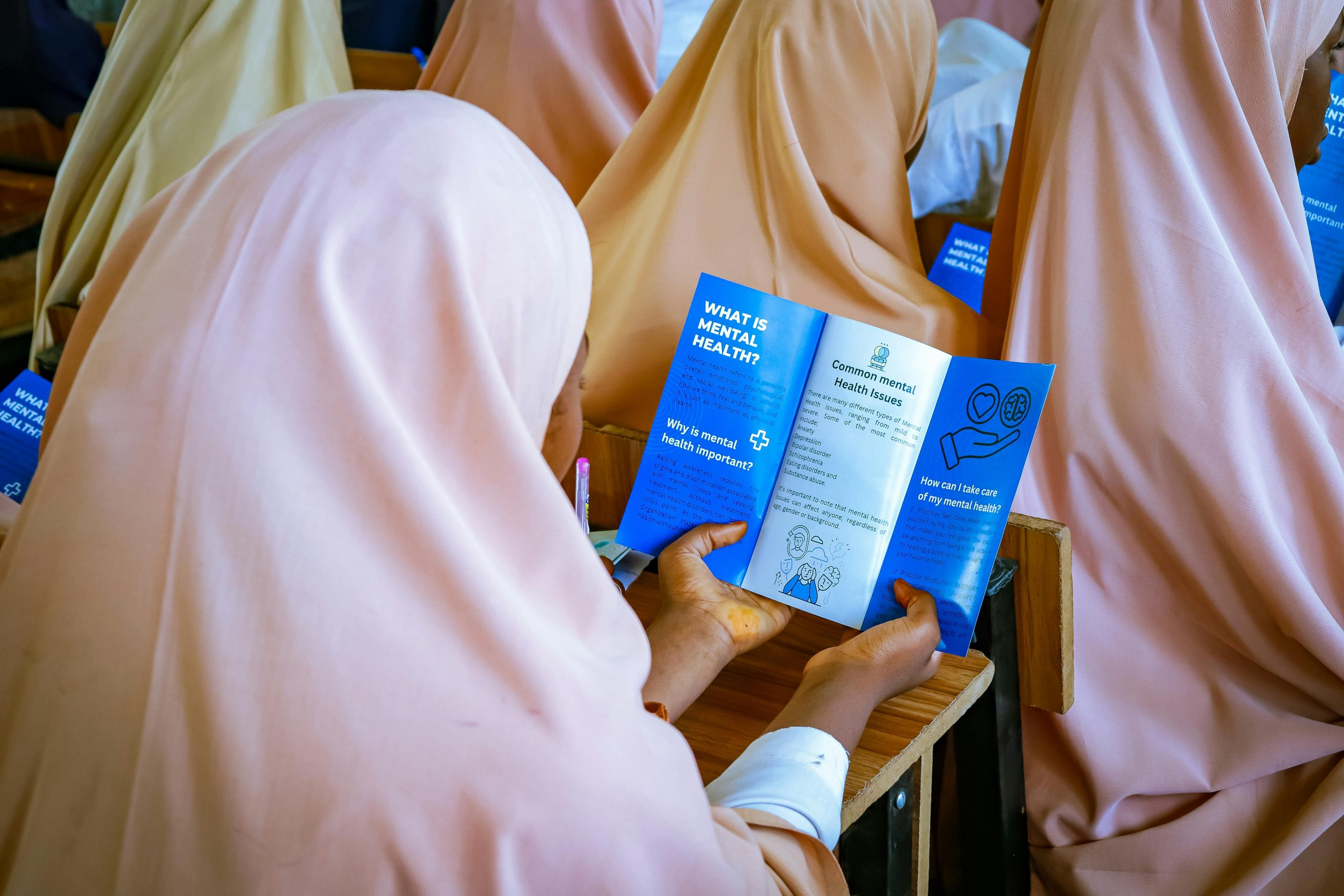
The Power of Connection
Humans are social beings and we have an innate desire to connect with others. In fact, studies have shown that social interaction is essential for our overall well-being. Being part of a community allows us to build meaningful relationships, share experiences, and offer support to one another. These connections help us feel a sense of belonging and can have a positive impact on our mental and social health.
Reducing Feelings of Isolation and Loneliness
Loneliness and social isolation are becoming increasingly prevalent in today’s society. According to a study by Cigna, nearly half of Americans reported feeling lonely and nearly one in five said they don’t have anyone they can confide in. These feelings can have a detrimental effect on our mental health. However, being a part of a community can help combat these negative emotions by providing a support system and a sense of belonging.
For example, older adults who are part of a community tend to have better mental and physical health, compared to those who are socially isolated. They have a lower risk of developing depression and are more likely to engage in healthy behaviors. This shows the powerful impact that being connected to others can have on our well-being.
Creating a Sense of Purpose
Being part of a community often involves working towards a common goal or cause. This shared purpose gives us a sense of meaning and fulfillment, which can greatly benefit our mental and social health. Knowing that we are making a positive impact in our community and the lives of others can boost our self-esteem and overall sense of well-being.
Volunteering is a great way to become involved in your community and can have a positive impact on both the giver and the receiver. It can provide a sense of purpose, connection, and accomplishment, all of which are crucial for our mental and social health.
The Link Between Community and Mental Health
Our mental health is closely tied to our sense of community. A supportive and inclusive community can provide a sense of safety and security, which is important for our emotional well-being. When we feel connected to others, we are more likely to share our thoughts and feelings, and seek help when needed. This can prevent feelings of isolation and improve our mental health in the long run.
Reducing Stress and Anxiety
Community support can also help reduce stress and feelings of anxiety. When facing challenges or difficult times, having a strong support system and a sense of community can make a big difference. Being able to turn to others for guidance, advice, or simply a listening ear can help us cope with stress and navigate through tough times.
Furthermore, being part of a community can also provide opportunities for stress-relieving activities such as group exercise classes, hobby clubs, or group outings. These activities not only promote physical health but can also be a great way to relax and recharge with like-minded individuals.
The Impact of Community on Social Health
Our social well-being is heavily dependent on the quality of our relationships. A strong community can foster positive relationships and connections, which are essential for our social health. Being part of a community can also provide opportunities for personal growth and development, which can lead to improved self-confidence and self-esteem.
Promoting Empathy and Understanding
Being part of a diverse community exposes us to different perspectives, cultures, and backgrounds. This can promote empathy and understanding, and help us develop better social skills. By learning from others and building relationships with people who are different from us, we can become more compassionate and open-minded individuals.
A strong community also provides a safe space to have discussions and share different opinions. This can lead to healthy debates and help foster critical thinking skills, all of which are important for our social development.
Building a Stronger Community
Communities are not built overnight, but with effort and dedication, they can become a source of strength and support for everyone involved. Here are a few ways to create a strong and inclusive community:
Get Involved
Get actively involved in community events, organizations, or volunteering opportunities. This will allow you to meet new people and build relationships with those who share similar interests and values.
Communicate and Listen
Effective communication is key to building strong relationships and a strong community. Take the time to listen to others and be open to different perspectives and ideas. This will help create a safe space for everyone to share their thoughts and feelings.
Give Support and Seek Help
Be there for others in your community and offer support when needed. In turn, don’t be afraid to ask for help when you need it. Building a strong community means being there for one another and knowing that you are not alone.
Final Thoughts
The importance of community for our mental and social health cannot be ignored. Being connected to others and building meaningful relationships can have a powerful impact on our well-being. A strong community provides a sense of belonging, purpose, understanding, and support. So, let’s make an effort to build and nurture our communities, for the betterment of our mental and social health.