
Making Sense of Real Estate Market Cycles and Timing
Welcome to the world of real estate market cycles and timing. For those looking to buy, sell, or invest in real estate, understanding market cycles and timing is crucial. The real estate industry is constantly changing and it’s important to be able to make informed decisions based on current market conditions. In this article, we’ll dive into the topic of real estate market cycles and timing, and how you can make sense of it all to navigate the unpredictable world of real estate.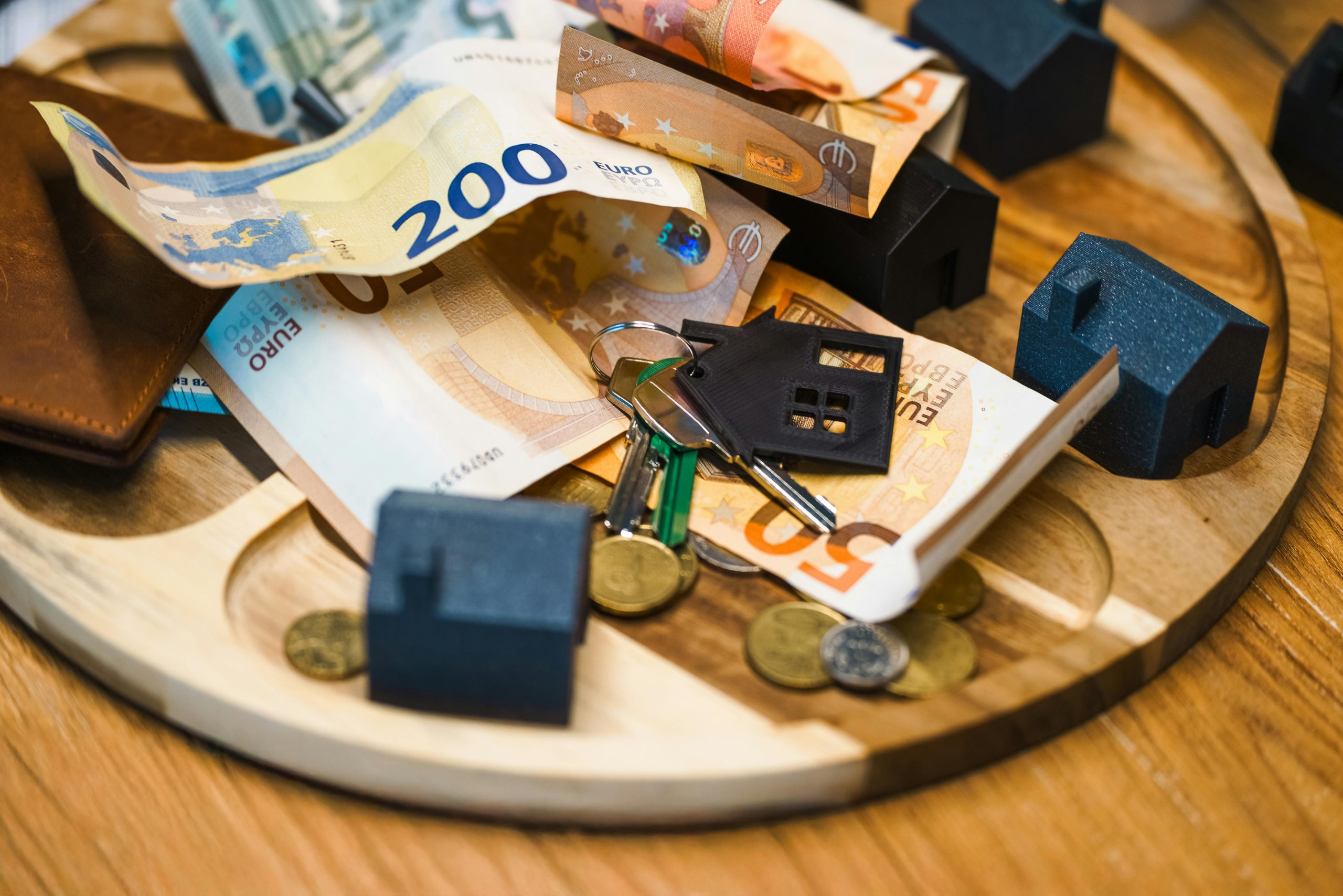
What Are Real Estate Market Cycles?
Real estate market cycles refer to the regular cyclical patterns of supply and demand in the real estate market. These cycles are influenced by a variety of factors such as economic conditions, interest rates, population growth, and consumer confidence. Understanding these cycles can help buyers, sellers, and investors anticipate changes in the real estate market and make better decisions.
The Four Stages of Real Estate Market Cycles
Real estate market cycles can be broken down into four stages: recovery, expansion, hyper-supply, and recession. Let’s take a closer look at each of these stages.
1. Recovery
The recovery stage occurs after a period of economic decline and is marked by a decrease in supply and an increase in demand. During this stage, buyers start to enter the market and sales activity picks up. Prices begin to rise as the market stabilizes.
2. Expansion
During the expansion stage, the real estate market experiences increased demand and rising prices. New construction projects start to emerge and inventories begin to decrease. At this stage, the market is generally considered to be in a healthy state.
3. Hyper-Supply
The hyper-supply stage occurs when the market experiences an oversupply of properties. This can happen when there is a sudden increase in new construction or when demand decreases. As a result, prices start to decline and inventories continue to pile up.
4. Recession
The recession stage is marked by a significant decline in demand and an increase in supply. This leads to falling prices and a decrease in sales activity. During this stage, the market is considered to be in a slump and it can take years for it to recover.
Timing the Real Estate Market
Timing the real estate market refers to the strategy of buying, selling, or investing in real estate at the most opportune time. While it’s impossible to predict market movements with 100% accuracy, understanding market cycles can help you make more informed decisions about when to enter or exit the market.
Be Aware of Economic Conditions
The state of the economy has a significant impact on the real estate market. During an economic downturn, demand for real estate decreases and prices can drop. On the other hand, during a strong economy, demand for real estate increases and prices rise. Keep an eye on economic indicators such as job growth, inflation rates, and consumer confidence to help gauge the health of the market.
Don’t Be Afraid to Buy in a Down Market
While it can be tempting to wait for the perfect time to purchase a property, trying to time the market can be a futile effort. Instead, focus on finding a property that meets your needs, fits your budget, and has good potential for appreciation over time. Remember, real estate is a long-term investment and market fluctuations are inevitable.
Pay Attention to Interest Rates
Interest rates have a significant impact on the real estate market. Higher interest rates can make it more difficult for buyers to secure financing, resulting in lower demand and lower prices. Conversely, lower interest rates can spur demand, leading to rising prices. Keep an eye on interest rates and take advantage of any opportunities that may arise.
In Conclusion
Understanding real estate market cycles and timing is essential for anyone looking to navigate the world of real estate. By being aware of the four stages of market cycles and paying attention to economic conditions and interest rates, you can make more informed decisions about buying, selling, or investing in real estate. Remember, while the real estate market can be unpredictable, staying informed and being prepared can help you make the most of it.