
Effective Strategies for Managing Social Anxiety Better
Social anxiety is a common mental health condition that affects millions of people worldwide. It is characterized by an intense fear of social situations and interactions, which can cause a person to feel extremely self-conscious and awkward. This type of anxiety can be debilitating and can significantly impact a person’s quality of life. However, there are effective strategies that can help manage social anxiety and improve one’s overall well-being. In this article, we will discuss some proven techniques for managing social anxiety better.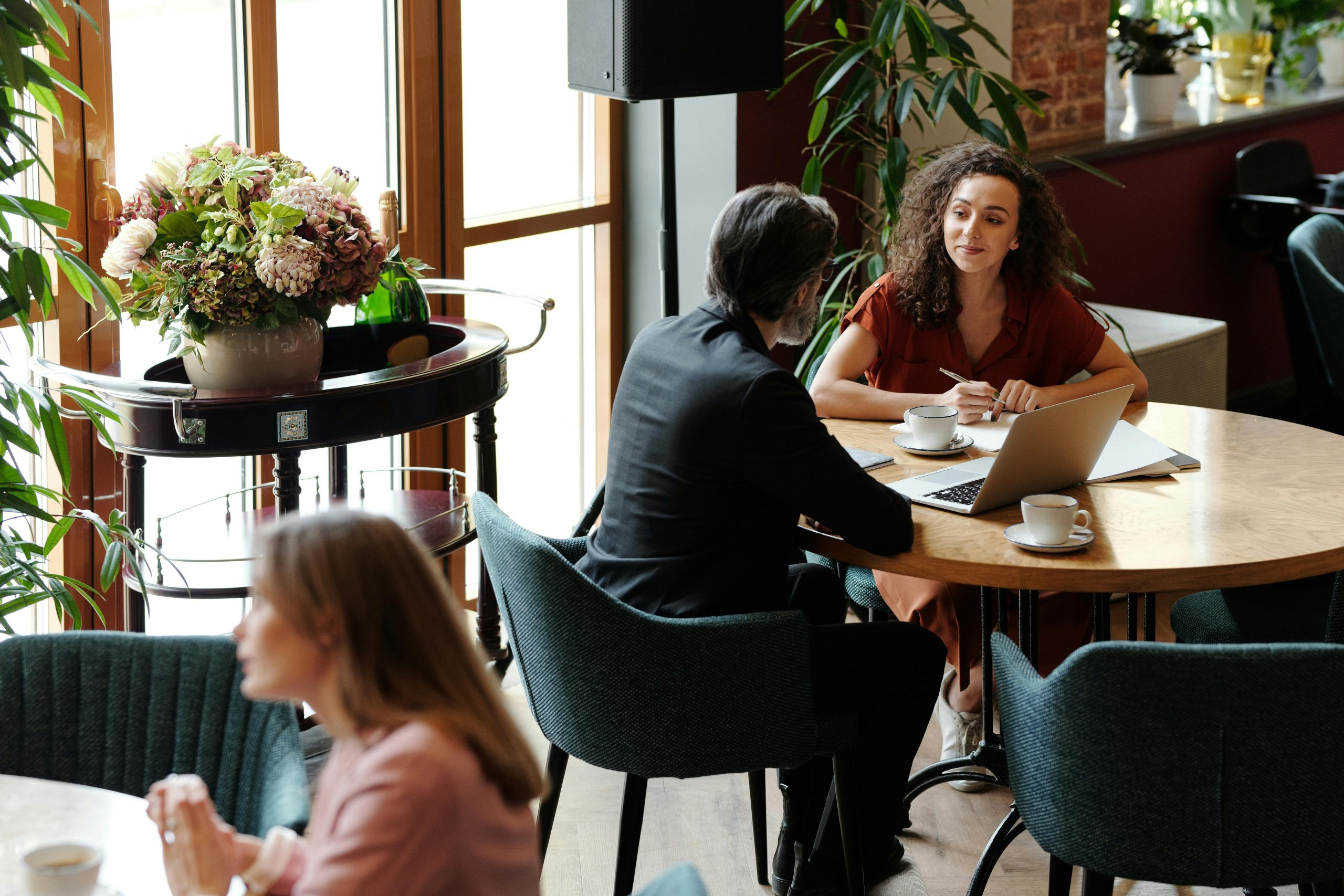
Understanding Social Anxiety
Before we dive into the strategies for managing social anxiety, it is essential to understand what this condition entails. Social anxiety is more than just shyness or introversion; it is an intense fear of being judged, evaluated, or criticized in social situations. People with social anxiety often have a constant fear of embarrassing themselves or being seen as incompetent or awkward by others. This fear can manifest in various social settings, such as parties, public speaking, or even everyday interactions.
Social anxiety can also have physical symptoms, such as nausea, sweating, trembling, or blushing. These symptoms can be triggered by the thought of a social event or even just the idea of being in a social setting. As a result, people with social anxiety tend to avoid situations that may cause them discomfort, which can ultimately limit their personal and professional growth.
Cognitive Behavioral Therapy (CBT)
The most effective treatment for managing social anxiety is cognitive-behavioral therapy (CBT). This form of therapy focuses on changing negative thought patterns and behaviors that contribute to social anxiety. Through CBT, a person can learn how to identify and challenge distorted thoughts, which can help reduce anxiety and improve their overall well-being.
One of the key techniques used in CBT for social anxiety is cognitive restructuring. It involves recognizing and changing negative thought patterns, such as “I am not good enough” or “Everyone is judging me.” By replacing these thoughts with more rational and positive ones, a person can gradually reduce their anxiety and feel more confident in social situations.
Exposure Therapy
Exposure therapy is another effective approach for managing social anxiety. It involves gradually exposing a person to feared social situations and helping them develop healthy coping mechanisms. The goal of exposure therapy is to help individuals confront their fears in a controlled and safe environment, reducing their anxiety over time.
For example, a person with social anxiety may start by imagining themselves in a social situation, then gradually work up to attending a small gathering with familiar people, and eventually progressing to more challenging scenarios. With the help of a therapist, individuals can learn to tolerate and manage their anxiety, leading to significant improvements in their social functioning.
Mindfulness and Relaxation Techniques
Mindfulness and relaxation techniques have also shown to be beneficial for managing social anxiety. These techniques involve paying attention to the present moment without judgment and accepting one’s thoughts and feelings. By practicing mindfulness, a person can learn to observe and let go of anxious thoughts, reducing their overall anxiety levels.
In addition to mindfulness, relaxation techniques such as deep breathing, progressive muscle relaxation, and meditation can help calm the mind and body, reducing overall stress and anxiety. These practices can be especially helpful in the moments leading up to a social event or during a particularly anxious situation.
Building a Support System
Social anxiety can be isolating, and many people with this condition may struggle to make and maintain meaningful relationships. However, having a support system can be incredibly beneficial in managing social anxiety. Having a few close friends or family members who understand and support you can provide a sense of security and comfort in social situations.
In addition, joining support groups or attending therapy sessions with others who have social anxiety can also be helpful. These spaces provide a judgement-free environment where individuals can share their experiences, learn from others, and develop coping strategies together.
Conclusion
Social anxiety can be a challenging condition to manage, but with the right tools and support, it is possible to live a fulfilling and anxiety-free life. Through techniques such as CBT, exposure therapy, mindfulness, and building a support system, individuals can reduce their social anxiety and improve their overall well-being. If you struggle with social anxiety, do not be afraid to seek help from a therapist or support group. With commitment and perseverance, you can overcome this condition and thrive in social situations.