How Sampling Became an Integral Part of Hip-Hop Production
When you hear a hip-hop song, chances are you’ll recognize a sample from another track within the first few seconds. Sampling, the process of taking a snippet of another artist’s music and incorporating it into a new song, has become an integral part of hip-hop production. It has played a major role in shaping the genre and has given rise to some of the most iconic tracks in hip-hop history. But how did this technique become such a fundamental aspect of hip-hop? Let’s take a deeper dive into the history of sampling and its impact on the world of hip-hop.
The Roots of Sampling
The act of sampling can be traced back to the 1960s, when experimental musicians and producers, such as John Oswald and Pierre Schaeffer, started to manipulate and manipulate recordings to create new music. However, it wasn’t until the rise of hip-hop in the 1970s that sampling became more widespread and popularized.
Early hip-hop pioneers, such as Grandmaster Flash and Afrika Bambaataa, used samples from funk, soul, and disco records to create their own unique beats. This was largely due to the lack of resources and equipment available to create original music. With the use of turntables and samplers, they were able to create something new and exciting by repurposing existing sounds.
The Legal Controversy Surrounding Sampling
As sampling started to gain popularity, it also sparked legal disputes over copyright infringement. Artists, record labels, and copyright holders argued that sampling without permission and proper clearance was a violation of intellectual property rights. This led to landmark cases such as Grand Upright Music, Ltd. v. Warner Bros. Records Inc., where rapper Biz Markie was sued for sampling without permission on his album “I Need a Haircut”. This case set a precedent that sampling required clearance and payment to the original artist or copyright holder.
These legal battles made sampling more challenging and expensive in hip-hop production. Some artists chose to abandon the use of samples altogether, while others found creative ways to obtain clearance and evolve the art of sampling further.
Sampling as a Form of Creativity
Despite the legal challenges, many artists in the hip-hop community see sampling as a powerful tool for creativity and self-expression. By blending and reimagining different sounds and genres, producers can create their unique sonic signature. This has resulted in the birth of sub-genres within hip-hop, such as boom-bap, trap, and lo-fi, each with their distinct sound and use of sampling.
Sampling has also become a way to pay homage to and preserve the history of music. By sampling and repurposing older songs, artists can introduce new generations to classic tracks and help keep them relevant. Additionally, sampling has provided a platform for lesser-known artists to gain exposure and recognition by having their music sampled by hip-hop producers.
The Future of Sampling in Hip-Hop
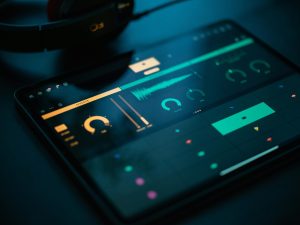
As technology continues to advance, sampling has become more accessible and sophisticated. With the rise of digital audio workstations (DAWs) and virtual instruments, producers can now create original sounds and manipulate samples in ways that were not possible before. This has led to an evolution of sampling in hip-hop, with some artists creating entire songs using only samples.
However, even with these advancements, sampling remains a highly debated and controversial topic in the music industry. While some argue that it stifles creativity and lacks originality, others see it as a way to transform music into something new and unique.
In Conclusion
Sampling has become an essential element of hip-hop production, shaping the genre and creating new avenues for artistic expression. From its humble beginnings in the 1970s to the legal controversies and advancements in technology, sampling continues to evolve and play a crucial role in the world of hip-hop. It has allowed for the creation of timeless classics and has established hip-hop as one of the most innovative and influential genres in music history.