
The Future of Physical Retail Stores: Reinvention and Experience
The retail landscape has evolved significantly over the years, from brick-and-mortar stores being the go-to destination for all shopping needs, to the rise of e-commerce and online shopping. With the advent of technology and changing consumer preferences, physical retail stores have been forced to adapt and reimagine their traditional model in order to survive. As the retail industry continues to face challenges, it has become increasingly clear that the future of physical retail stores lies in reinvention and creating unique and immersive shopping experiences for customers. In this article, we explore the future of physical retail stores and the need for innovation and creativity in order to stay relevant in a rapidly changing market.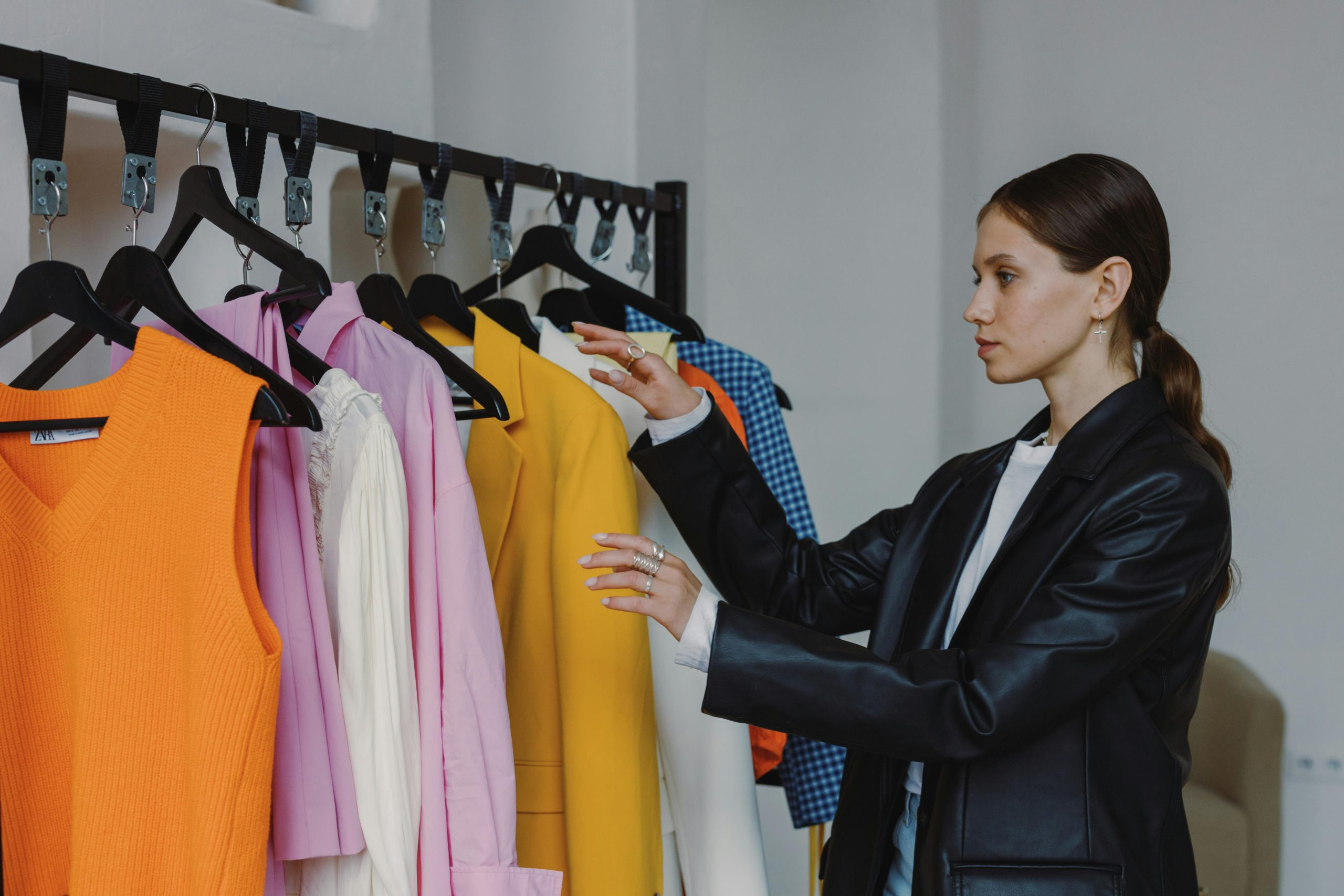
Redefining the Retail Space
In order to stay ahead in today’s highly competitive market, retail stores must constantly strive to create a unique and enticing experience for their customers. This means moving beyond just selling products and focusing on providing a holistic shopping experience. In recent years, we have seen the emergence of buzzwords such as “experiential retail” and “retailtainment,” which highlight the need for retail spaces to offer more than just products on shelves.
The Rise of Experiential Retail
Experiential retail refers to the concept of creating an immersive and engaging shopping experience for customers. This can take various forms, such as interactive displays, sensory experiences, and personalized services. By providing something unique and memorable, retail stores are able to stand out and build a loyal customer base.
One example of successful experiential retail is the Adidas flagship store in New York City. This store offers customers the opportunity to customize their own shoes and try them out on a basketball court, providing a fun and personalized experience. This not only encourages customers to visit the store but also increases the likelihood of them making a purchase.
Retailtainment: Beyond Shopping
Retailtainment takes experiential retail to the next level by focusing on entertainment rather than just shopping. This trend has gained significant traction in recent years, with stores incorporating elements such as live performances, workshops, and events to attract customers and keep them engaged for longer periods of time.
Disney, known for its theme park experiences, has also jumped on the retailtainment bandwagon with its newly opened “Mickey’s of Glendale” store in California. The store not only offers Disney merchandise but also features interactive displays, a studio for workshops, and a rotating schedule of live performances by Disney characters. This unique approach encourages customers to spend more time in the store and makes it a must-visit destination for Disney fans.
The Role of Technology
Technology has played a major role in shaping the future of physical retail stores. With the rise of online shopping and the convenience it offers, traditional retail stores have had to find ways to stay relevant and compete with e-commerce giants. This has led to the integration of technology into the retail experience, with the aim of enhancing customer engagement and streamlining the shopping process.
Virtual and Augmented Reality
Virtual and Augmented Reality (VR/AR) have the potential to revolutionize the retail experience. With VR, customers can try on clothes and accessories virtually, eliminating the need to physically try on multiple items. This not only saves time but also reduces the hassle of waiting in long queues at dressing rooms. Similarly, AR technology allows customers to visualize how furniture or home décor items would look in their homes, making it easier for them to make purchasing decisions.
Mobile Technology and Personalization
The use of mobile technology has also become increasingly popular in retail stores. Retailers can use mobile apps and beacons to track customer data and create a personalized shopping experience. By knowing a customer’s preferences and purchase history, stores can make personalized recommendations and offer targeted promotions, ultimately increasing customer satisfaction and loyalty.
The Role of Brick-and-Mortar Stores in the E-commerce Era
As e-commerce continues to grow, some may question the future of brick-and-mortar stores. However, physical retail stores still play a crucial role in the shopping journey. In fact, a study by Accenture found that 45% of customers prefer to shop in a physical store as it provides them with the opportunity to touch, feel, and try on products before making a purchase.
Additionally, with the rise of omni-channel retail, physical stores are no longer just a place to make purchases. They serve as showrooms and pick-up points for online orders, making it a seamless and convenient shopping experience for customers. Retailers can also use their physical stores as a platform to showcase their brand and build a deeper connection with their customers.
In Conclusion
The future of physical retail stores lies in reinvention and creating immersive experiences for customers. By embracing technology, redefining the retail space, and focusing on customer engagement, physical stores can continue to thrive in a market dominated by e-commerce. In this era of rapid change, the key to success for retail stores is to constantly evolve and adapt to the ever-changing needs and preferences of customers.