
Exploring Co-Living Spaces as a Modern Housing Solution
In recent years, the traditional concept of housing has been challenged by the rise of co-living spaces. This modern housing solution offers a unique living experience that goes beyond simply sharing a living space with roommates. Co-living spaces have gained popularity among young professionals, students, and even families, as they provide an alternative to the high cost of living in urban areas. With its emphasis on community, convenience, and affordability, co-living is a trend that is here to stay. In this article, we will explore the concept of co-living spaces and its advantages as a modern housing solution.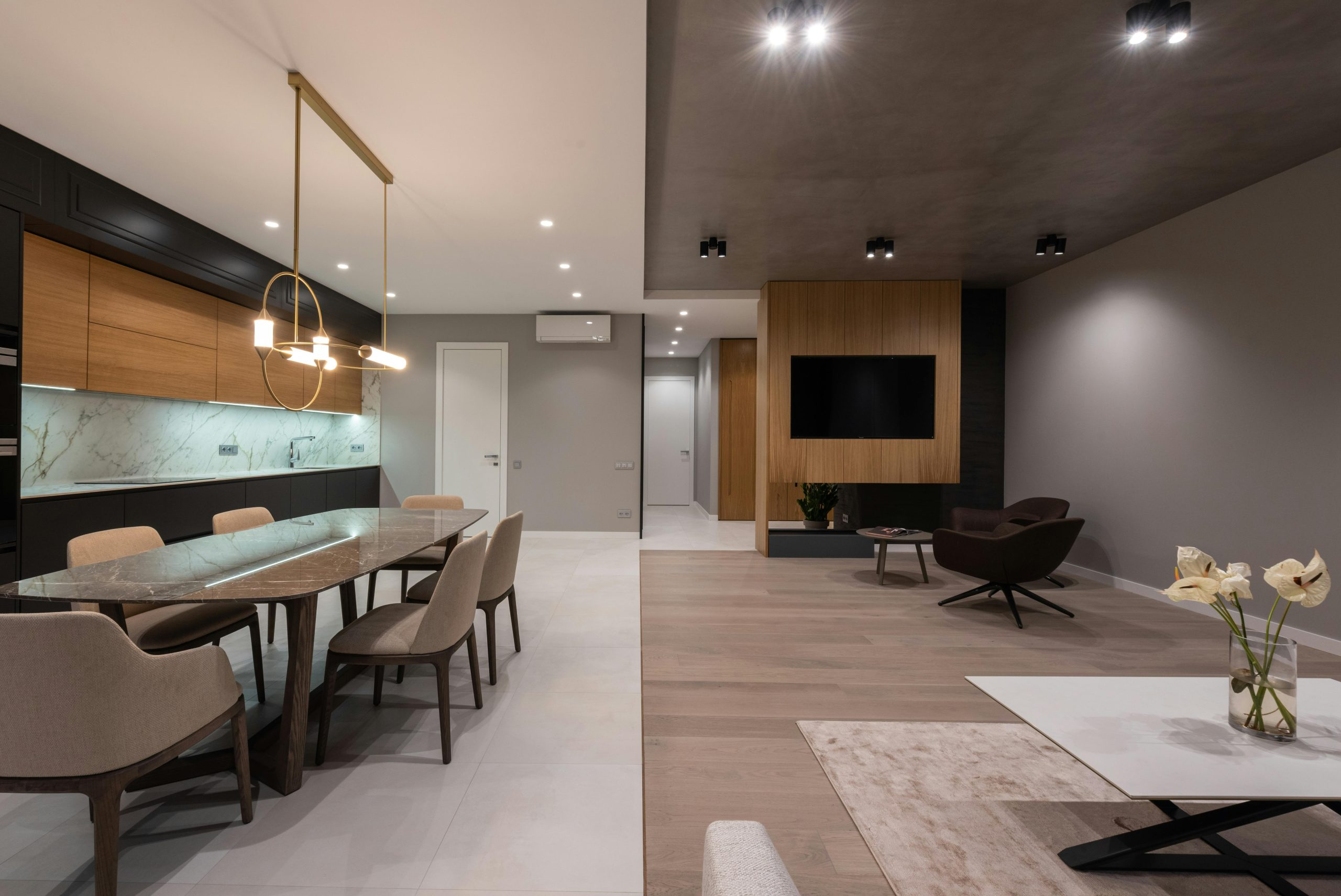
What are Co-Living Spaces?
Co-living spaces are shared living arrangements that offer private bedrooms and shared common areas such as kitchens, living rooms, and bathrooms. These spaces are designed to cater to the needs and lifestyles of the modern urban dwellers, providing them with a sense of community and a convenient living experience.
Community and Social Connections
One of the main selling points of co-living spaces is the sense of community it offers. With shared living arrangements, residents have the opportunity to interact and collaborate with like-minded individuals. This is particularly appealing to young professionals who are looking for a support system in a new city or students who want to build social connections. Many co-living spaces also organize events and activities for residents to engage in, fostering a stronger sense of community.
Convenience and Flexibility
Co-living spaces are designed to make the lives of residents easier and more convenient. With fully-furnished rooms and shared amenities, residents don’t have to worry about the hassles of moving and setting up a new house. Many co-living spaces also offer services such as housekeeping and laundry, freeing up time for residents to focus on more important matters. Additionally, co-living arrangements often come with flexible lease terms, making it easier for residents to move in and out without any long-term commitments.
Affordability
One of the primary reasons co-living spaces have gained popularity is its affordability. With the rising cost of living in cities, co-living offers an alternative for individuals who are looking for a more budget-friendly housing option. By sharing living expenses and amenities, residents can save a significant amount of money compared to renting an entire apartment. This makes co-living particularly attractive for young professionals and students who are just starting their careers and have smaller budgets.
Why choose Co-Living over Traditional Housing?
Co-living offers a unique living experience that differs from the traditional housing setup. The sense of community, convenience, and affordability make it an appealing option for many. However, co-living also has other advantages over traditional housing that are worth considering.
Location
Co-living spaces are often located in prime areas of cities, making them easily accessible to public transportation, shopping centers, and other amenities. This saves residents the time and cost of commuting and provides them with a better quality of life in urban areas.
Flexibility
Unlike traditional housing, co-living offers flexibility in terms of lease agreements and shared expenses. Residents have the option to choose short-term or long-term leases, and they can also opt for all-inclusive packages that cover utilities and other living expenses. This gives residents more control over their living arrangements and can adapt to their changing needs and preferences.
Sustainability
Co-living spaces often incorporate sustainability practices in their design and operations. This includes energy-efficient appliances, eco-friendly cleaning products, and waste management systems. With a growing focus on environmental conservation, co-living offers a more sustainable way of living compared to traditional housing.
In Conclusion
Co-living spaces have disrupted the traditional housing market by offering a modern and convenient living solution for urban dwellers. Its emphasis on community, convenience, and affordability makes it an appealing option for many, particularly young professionals and students. With its continued popularity, it is clear that co-living is here to stay and will continue to evolve and adapt to the changing needs of its residents.
Are you intrigued by the concept of co-living spaces? Why not give it a try and experience the benefits for yourself. Join the growing community of co-living and embrace a new way of living that is both modern and inclusive.