The Value of Craftsmanship: Buying Handmade Goods
The art of creating something by hand is a skill that has been passed down through generations. In today’s world of mass production and convenience, the value of craftsmanship is often overlooked. However, there is something special about owning handmade goods that cannot be replicated by machine-made products. Whether it’s a piece of hand-carved furniture or a hand-knitted sweater, the value of craftsmanship is immeasurable. In this article, we will explore the importance of buying handmade goods and how it adds value to our lives.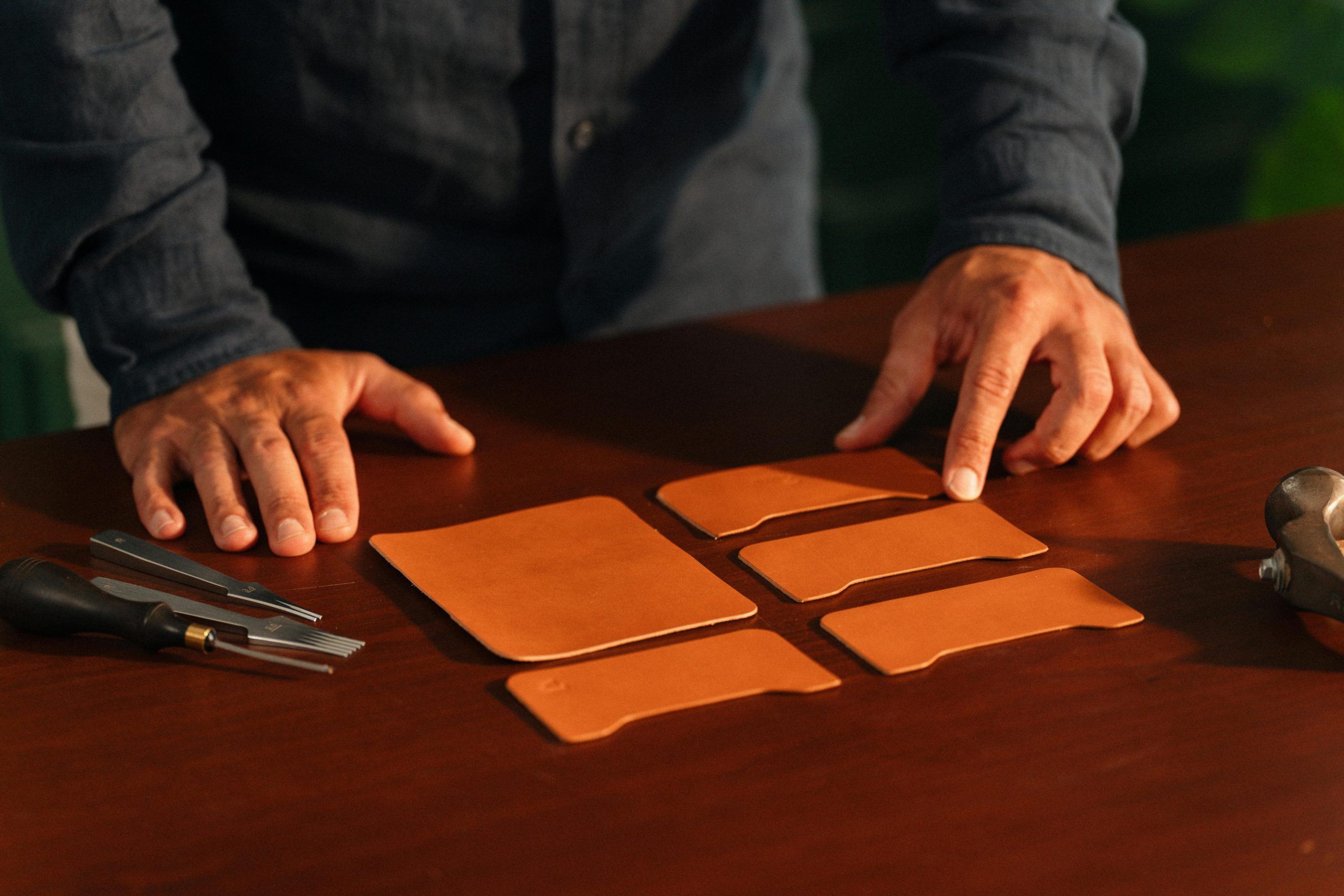
The Making of Handmade Goods
Unlike factory-made products, which are designed to be produced as quickly and efficiently as possible, handmade goods require time, patience, and skill. Each item is carefully crafted with attention to detail, making it unique and one-of-a-kind. Whether it’s a ceramic vase or a hand-painted piece of artwork, the process of creating handmade goods involves a personal touch that cannot be replicated by machines. This level of care and dedication put into each product adds value to its worth.
The Value of Supporting Small Businesses
When buying handmade goods, you are not only purchasing a quality product, but you are also supporting small businesses and independent artists. Many handmade goods are made by local artisans who are passionate about their craft. By buying their products, you are helping them to continue doing what they love and supporting their livelihood. This not only adds value to the product but also creates a sense of community and connection.
The Uniqueness and Exclusivity of Handmade Goods
In a world where trends and mass-produced products dominate the market, owning something that is handmade adds a touch of individuality and exclusivity. No two handmade products are exactly the same, making each item one-of-a-kind. This uniqueness adds value to the product, and it becomes a statement piece that reflects the personality and style of its owner.
The Story Behind the Product
Every handmade product has a story behind it. Whether it’s the story of the artist, the inspiration behind the design, or the materials used, there is a sense of history and meaning attached to each handmade item. This adds value to the product, as it becomes more than just a material possession, but a piece of art with a story to tell.
The Quality and Durability of Handmade Goods
Handmade goods are created with high-quality materials and attention to detail. This results in products that are not only beautiful but also durable. Unlike mass-produced items that are often made with cheap materials and may not last long, handmade goods are made to stand the test of time. This adds value to the product, as it becomes a long-term investment rather than a disposable item.
The Sustainability and Ethical Considerations of Handmade Goods
In today’s fast-paced consumer culture, sustainability and ethical considerations are becoming increasingly important. When buying handmade goods, you are often supporting sustainable practices and ethical production. Many handmade goods are made using eco-friendly materials and processes, and the artisans behind them often ensure fair labor practices. This adds value to the product, as it aligns with the values of conscious consumers.
In Conclusion
In a world where mass production and convenience often take precedence, it’s important to remember the value and significance of craftsmanship. Buying handmade goods supports small businesses and independent artists, adds uniqueness and exclusivity to our possessions, and promotes sustainability and ethical practices. Most importantly, it adds value to our lives by creating a connection to the product and the story behind it. So the next time you are considering purchasing a product, think about the value of craftsmanship and consider investing in something handmade.