The Rise of Thrifting Culture and Its Societal Significance
Thrifting, once considered a niche hobby, is now a global phenomenon that has taken the world by storm. From fashion to furniture, thrifting has become a popular way for people to find unique items at affordable prices. The rise of thrifting culture has not only changed the way we shop, but it has also had a significant impact on society as a whole. In this article, we will explore the origins of thrifting, its evolution into a mainstream trend, and the societal significance it holds today.
The Origins of Thrifting
The concept of thrifting can be traced back to the early 1800s when the Salvation Army, a charitable organization, opened the first thrift store in London, England. The goal of the thrift store was to provide affordable clothing and goods to those in need. However, it wasn’t until the 1900s that the term “thrifting” became widely used.
During the Great Depression, thrift stores saw a surge in popularity as people searched for ways to stretch their limited budgets. It was during this time that thrifting truly began to take shape as a culture. People not only shopped for basic necessities but also developed a sense of pride in finding unique and vintage items at bargain prices.
The Evolution of Thrifting Culture
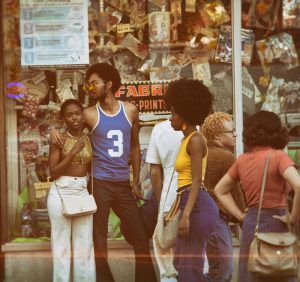
Thrifting continued to gain traction in the following decades, with the 1960s and 70s marking a significant shift in how people viewed secondhand shopping. With the emergence of hippie and bohemian fashion, thrifting became a way for people to rebel against societal norms and express themselves through their clothing choices.
In the 1980s and 90s, thrifting culture saw a decline as fast fashion and mass-produced items became the norm. However, this all changed in the early 2000s when people began to focus on sustainable living and the negative impact of consumerism on the environment. Thrifting became a way for individuals to reduce their carbon footprint by giving new life to pre-loved items instead of supporting the fast fashion industry.
Today, thrifting culture has evolved into a mainstream trend, with celebrities and influencers promoting the benefits of secondhand shopping. It has become not just a way to save money but also a fashion statement and a means of self-expression.
The Societal Significance of Thrifting
Environmental Impact
One of the most significant impacts of thrifting culture is its positive effect on the environment. The fashion industry is one of the largest polluters globally, and by choosing to thrift, individuals are reducing their contribution to this issue. Thrifting also reduces the amount of waste that ends up in landfills, as it gives items a new home instead of being discarded.
Community Building
Thrifting has also become a way to bring people together and build communities. Local thrift stores often hold events and workshops, providing a space for like-minded individuals to connect and share their love for thrifting. Online thrifting communities are also thriving, with social media platforms and websites dedicated to buying, selling, and trading secondhand items.
Supporting Charitable Causes
Many thrift stores are run by charitable organizations, meaning that every purchase made goes towards supporting a cause. Thrifting not only allows individuals to save money, but it also gives them an opportunity to contribute to a good cause and make a positive impact in their communities.
Promoting Individuality
Thrifting culture promotes individuality and self-expression through fashion. By buying secondhand items, individuals can create unique and one-of-a-kind outfits that cannot be found in mainstream stores. It also allows people to experiment with different styles and break away from the cookie-cutter fashion trends popularized by the fast fashion industry.
In conclusion,
The rise of thrifting culture has not only changed the way we shop but has also had a significant impact on society. From its humble origins as a way to provide affordable items to those in need, thrifting has evolved into a mainstream trend that promotes sustainability, community building, and individuality. With its immense societal significance, thrifting culture is here to stay and will continue to shape our buying behaviors and societal values for years to come.