
Effective Strategies for Buying Quality Tools and Hardware
Welcome to the world of DIY projects and home improvement! Whether you are just starting out or have been a DIY enthusiast for years, one thing is for sure – having high-quality tools and hardware is essential for a successful project. But with so many options on the market, it can be overwhelming and confusing to choose the right tools and hardware for your needs. That’s why we have put together this article to guide you on effective strategies for buying quality tools and hardware. Follow these tips and make sure your next project is a success!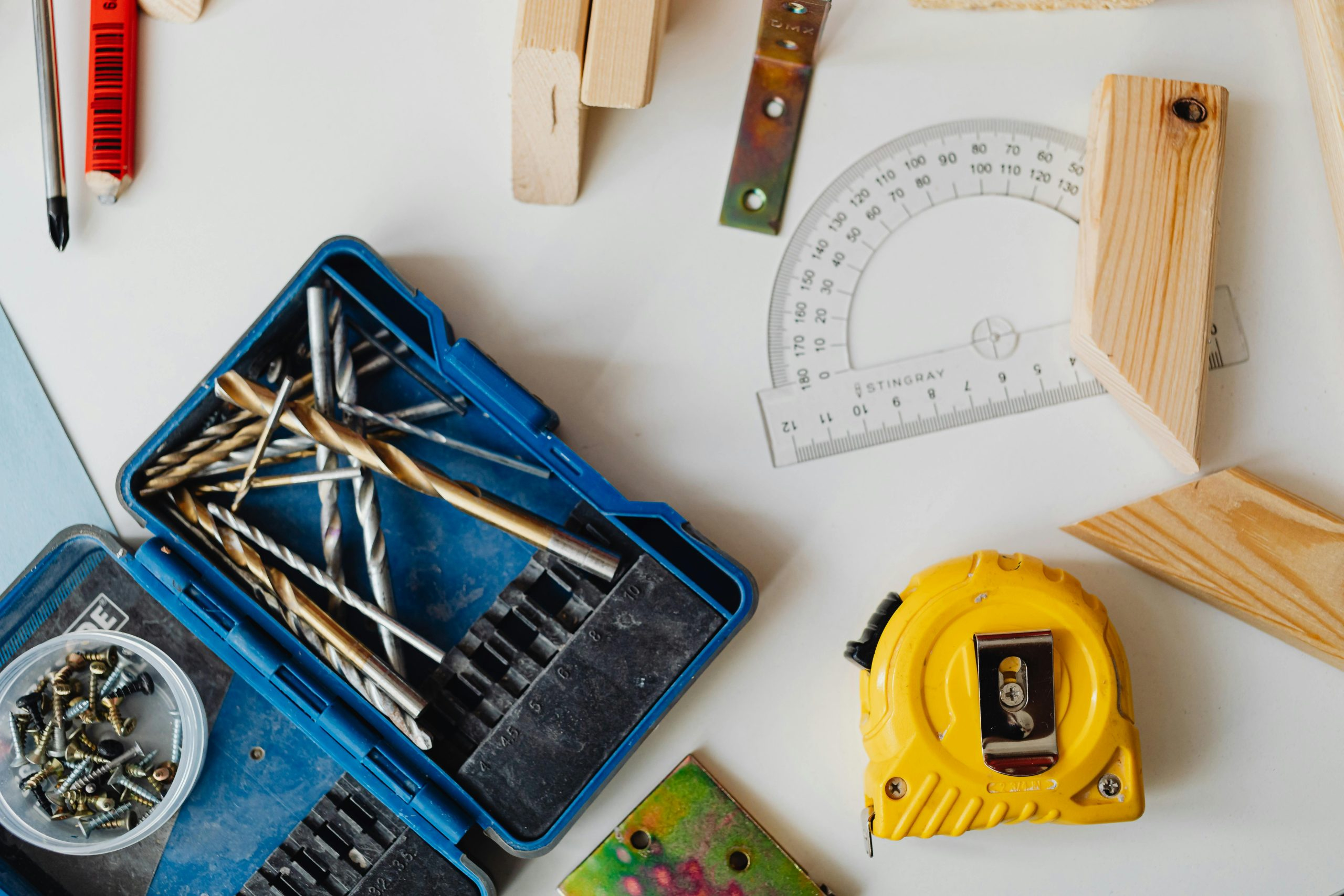
Know Your Needs
The first step in buying quality tools and hardware is knowing what you need. Before you start browsing through the endless options, make a list of the tools and hardware that you actually need. This will help you avoid impulse purchases and focus on buying the essentials. Additionally, knowing what you need will also help you determine your budget and prioritize your purchases.
Do Your Research
Once you have a list of the tools and hardware you need, it’s time to do some research. Look for reputable brands that have a track record of producing high-quality tools and hardware. You can also read online reviews and ask for recommendations from friends or family who have experience with DIY projects. Doing your research will help you narrow down your options and make informed decisions.
Consider Your Budget
Knowing your budget is crucial when it comes to buying tools and hardware. While it may be tempting to opt for the cheapest option, keep in mind that quality tools and hardware come with a higher price tag. However, it’s important to remember that investing in high-quality tools and hardware will save you money in the long run. They will last longer, perform better and reduce the risk of accidents or errors.
Check for Quality
When buying tools and hardware, it’s important to check for quality. Look for tools and hardware that are made from durable materials and are built to last. You can also check for product warranties and guarantees, as they are a good indication of the manufacturer’s confidence in their product. Quality tools and hardware may cost more, but they will give you better results and make your DIY projects easier and more enjoyable.
Try Before You Buy
If possible, always try out the tools and hardware before you buy them. This will allow you to get a feel of the product and test its performance. Some stores may have demonstration areas where you can try out the tools and hardware. If you are buying online, make sure to read customer reviews and product specifications to get an idea of how the product performs. You can also reach out to the manufacturer for any additional information or clarifications.
Consider Your Comfort
Another important factor to consider when buying tools and hardware is your comfort. Make sure the tools and hardware you choose are comfortable to hold and use. This is especially important for hand tools such as hammers, screwdrivers, and pliers. If you are uncomfortable using a tool, it will affect your performance and may even lead to injuries. So, take your time to test out the tools and hardware and choose ones that feel comfortable and natural to use.
Think About Upgrades
When buying tools and hardware, it’s a good idea to think ahead and consider future upgrades. You may not need the most advanced version of a tool right now, but in the future, you may want to upgrade to a more powerful or versatile tool. In this case, it may be worth spending a little extra now to save money on future upgrades. Additionally, you can also look for sets or kits that include multiple tools, which may offer more value for your money.
Conclusion
Buying quality tools and hardware is essential for any DIY enthusiast or homeowner. It not only makes your projects easier and more enjoyable but also ensures safety and long-lasting results. By following these effective strategies, you can be confident that you are making the best choices when it comes to buying tools and hardware. Remember to always do your research, consider your budget, test out the products, and prioritize quality. Happy DIYing!