
Understanding the Benefits of Collaborative Group Work in Education
Collaborative group work has become increasingly popular in the field of education due to its numerous benefits for students. This approach involves students working together in small groups to complete a task or project, rather than working individually. Group work allows students to learn from one another, develop important skills, and achieve a deeper understanding of the subject matter. In this article, we will explore the various benefits of collaborative group work in education and why it is an essential part of modern learning.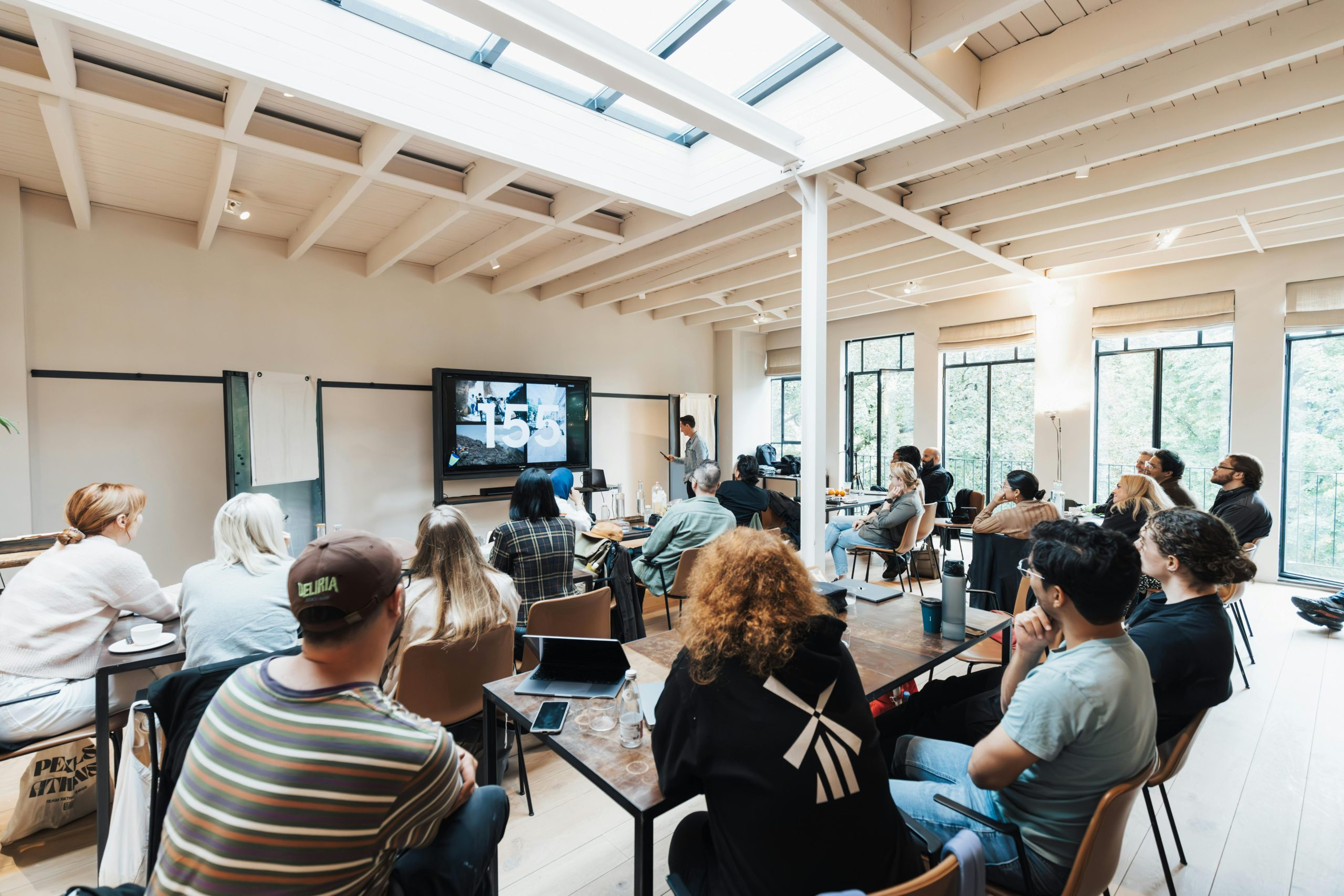
The Power of Teamwork: Learning from One Another
One of the most significant advantages of collaborative group work is the ability to learn from one another. When students work in groups, they have the opportunity to share their perspectives, ideas, and knowledge. This not only increases the overall understanding of the topic but also encourages critical thinking and problem-solving skills. By interacting with their peers, students can gain different perspectives and learn new ways to approach a task.
Improved Communication Skills
Group work requires students to communicate effectively with one another, which in turn helps them develop critical communication skills. As they work together to complete a project, students must listen to each other, express their ideas clearly, and provide constructive feedback. This helps students become better communicators, an essential skill in both academic and professional settings.
Enhanced Social Skills
Working in groups also allows students to develop their social skills. They learn how to collaborate, compromise, and work towards a common goal with their peers. This is particularly important for students who may struggle with social interactions, as group work provides them a safe and supportive environment to practice social skills.
Encourages Creativity and Innovation
Group work encourages students to think outside the box and come up with creative solutions. When students work together, they are exposed to a variety of ideas and perspectives, which can spark creativity and innovation. This approach also allows students to explore diverse ways of thinking, leading to a deeper understanding of the subject matter.
Developing Essential Life Skills
In today’s ever-changing job market, employers are looking for individuals who possess not only strong academic knowledge but also essential life skills. Collaborative group work in education provides an excellent opportunity for students to develop these skills, making them more employable in the future.
Teamwork and Leadership
Through group work, students learn how to work as a team, delegate tasks, and take on leadership roles. These skills are highly valued by employers and are essential in any workplace. Group work also teaches students how to manage conflicts and build relationships, crucial skills for any successful team.
Time Management and Organization
Assigning tasks and meeting deadlines are crucial in group work. By working in a team, students learn how to manage their time efficiently, prioritize tasks, and meet deadlines. These skills are essential in both academic and professional settings.
Problem-Solving and Critical Thinking
Collaborative group work requires students to think critically and come up with solutions to problems. This approach fosters the development of important problem-solving skills, which are highly valued in the workplace. By working in groups, students also learn how to analyze and evaluate information critically, making them more well-rounded individuals.
The Importance of Diversity in Group Work
Collaborative group work brings together students from diverse backgrounds, cultures, and experiences. This diversity enriches the learning experience and provides a unique opportunity for students to learn from one another. It also encourages tolerance, understanding, and respect for different perspectives and ideas.
Preparing Students for the Real World
In today’s globalized world, the ability to work effectively in a team is essential. Collaborative group work prepares students for the diverse and dynamic workforce they will enter into after graduation. By working with their peers from different backgrounds, students learn how to adapt to different working styles and cultures, making them better equipped to succeed in the real world.
In conclusion, collaborative group work in education offers numerous benefits for students. It allows them to learn from one another, develop critical skills, and prepares them for the challenges of the real world. As educators, it is essential to incorporate group work into our teaching strategies, as it not only enhances the learning experience but also prepares our students for their future endeavors.