Demystifying Fashion Photography Techniques and Visual Storytelling
Fashion photography is a dynamic and ever-evolving field that demands creativity, technical expertise, and an eye for detail. It is not just about capturing clothes and models, but also about telling a story and evoking emotions through visuals. With the rise of social media and online platforms, the demand for high-quality fashion photography has increased significantly. In this competitive industry, it is crucial for photographers to stay up-to-date with the latest techniques and trends to outshine their peers. In this article, we will demystify the concepts of fashion photography techniques and visual storytelling, and how you can use them to create powerful and compelling images.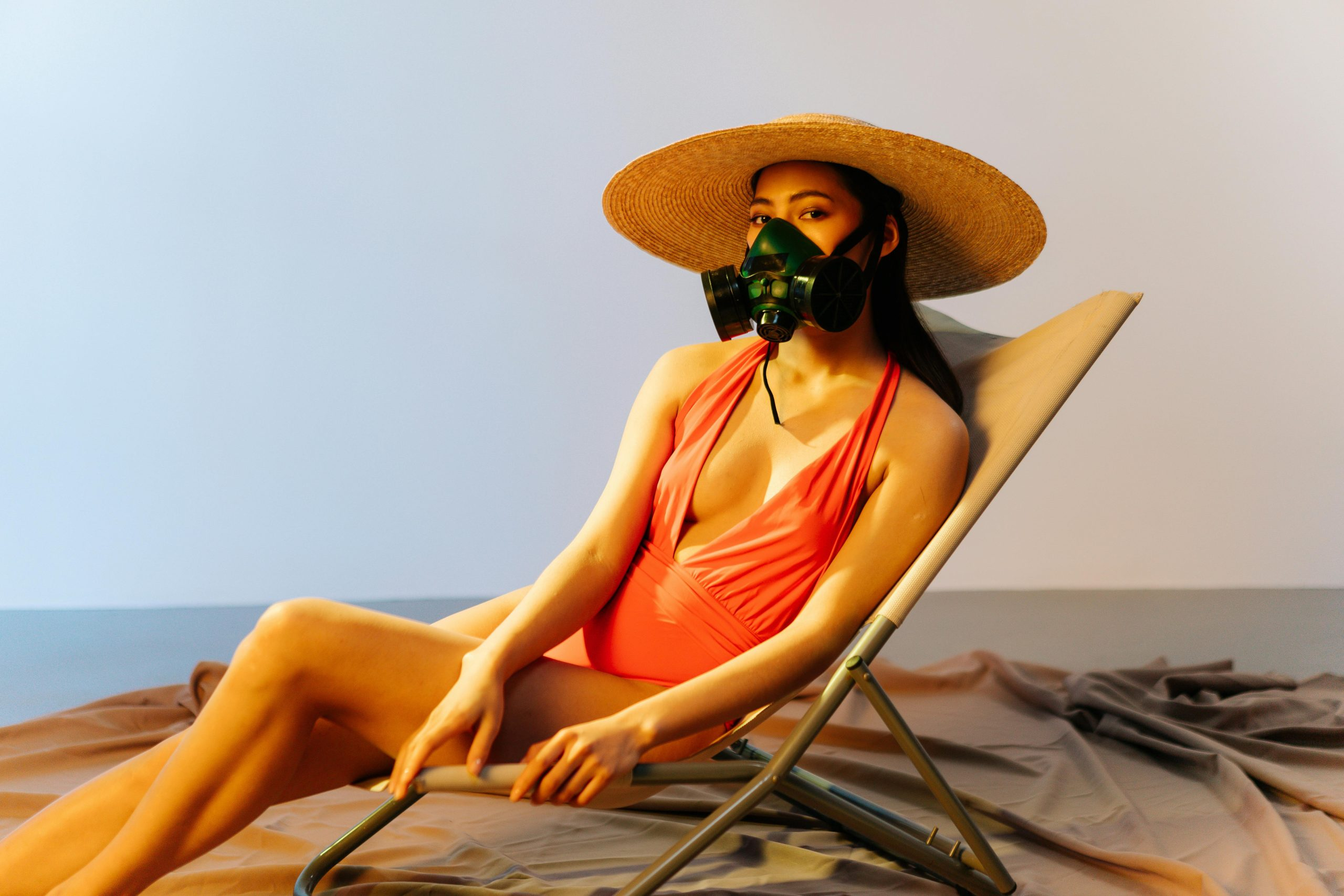
Understanding Fashion Photography Techniques
Before delving into the technicalities of fashion photography, it is essential to understand the unique aspects and purpose of this genre. Fashion photography is not limited to capturing the latest designer collections or showcasing models; it is about selling an idea, a lifestyle, or a brand. Therefore, the focus is not only on the garments but also on creating an atmosphere and mood that resonates with the target audience.
Lighting, poses, angles, and composition are the key elements of fashion photography that dictate the visual appeal and message of the images. Photographers use these techniques to highlight the beauty and uniqueness of the clothes, as well as to evoke specific emotions and create a narrative. Let’s take a look at some of the most commonly used techniques in fashion photography:
Lighting
Lighting is the most critical aspect of any type of photography, and it is even more crucial in fashion photography. The way light is used in fashion photography can make or break the image. Natural light, studio strobes, and continuous lights are the three main types of lighting used in fashion photography. Natural light creates a soft and natural look, but it is limited to specific times of the day and location. Studio strobes and continuous lights offer more control over the light and allow for creative effects. Understanding how to work with different types of lighting and how to manipulate it to achieve desired results is a crucial skill for fashion photographers.
Posing and Angles
The way a model poses and the angle at which the image is captured can greatly impact the final result. In fashion photography, models are not just standing or walking; they are telling a story through their body language. The pose and angle should complement the garments and showcase them in the most appealing way. Fashion photographers often experiment with different poses, both dynamic and static, to add variety and interest to the images.
Composition
Composition is all about how elements are arranged within the frame to create a visually pleasing image. It involves the use of lines, shapes, and negative space to guide the viewer’s eye and create a balance in the image. In fashion photography, composition plays a significant role in creating a narrative and telling a story. A photographer may choose to place the model off-center or use leading lines to draw attention to a specific detail in the clothes. Effective composition not only adds to the visual appeal but also helps in conveying the message of the image.
Visual Storytelling in Fashion Photography
Apart from the technical aspects, fashion photography is also about storytelling. It is about creating a world for the viewers to step into and experience. Visual storytelling is a powerful tool that helps fashion photographers to connect with their audience and evoke emotions. It adds depth and meaning to the images and is often what sets apart a good fashion photograph from a great one.
Visual storytelling in fashion photography involves using various elements like styling, props, location, and mood to create a theme or concept. The idea is to create a sense of continuity and make the images part of a larger story rather than individual pieces. For instance, a fashion shoot inspired by a fairy tale may feature whimsical clothing, dreamy locations, and ethereal lighting to create an otherworldly feel.
Another important aspect of visual storytelling in fashion photography is creating a connection between the audience and the model. The model should not just be a mannequin showcasing the clothes; they should evoke emotions and create a sense of relatability. Many fashion photographers incorporate storytelling elements by using models of diverse backgrounds, body types, and ethnicities to celebrate individuality and inclusivity.
In conclusion, fashion photography is a combination of technical skills and creative vision. By understanding and using various techniques and continuously evolving visual storytelling, a fashion photographer can create captivating and powerful images that resonate with their audience. So, if you are looking to pursue a career in fashion photography, remember to stay curious, experiment, and never stop learning. Happy shooting!