
Exploring the Intricate Relationship Between Fashion and Identity
Fashion and identity are two concepts that have been intricately intertwined throughout history. Clothing, accessories, and personal style have long been used as a way to express one’s identity and sense of self. From ancient civilizations to modern society, fashion has played a significant role in shaping how we present ourselves to the world and how others perceive us.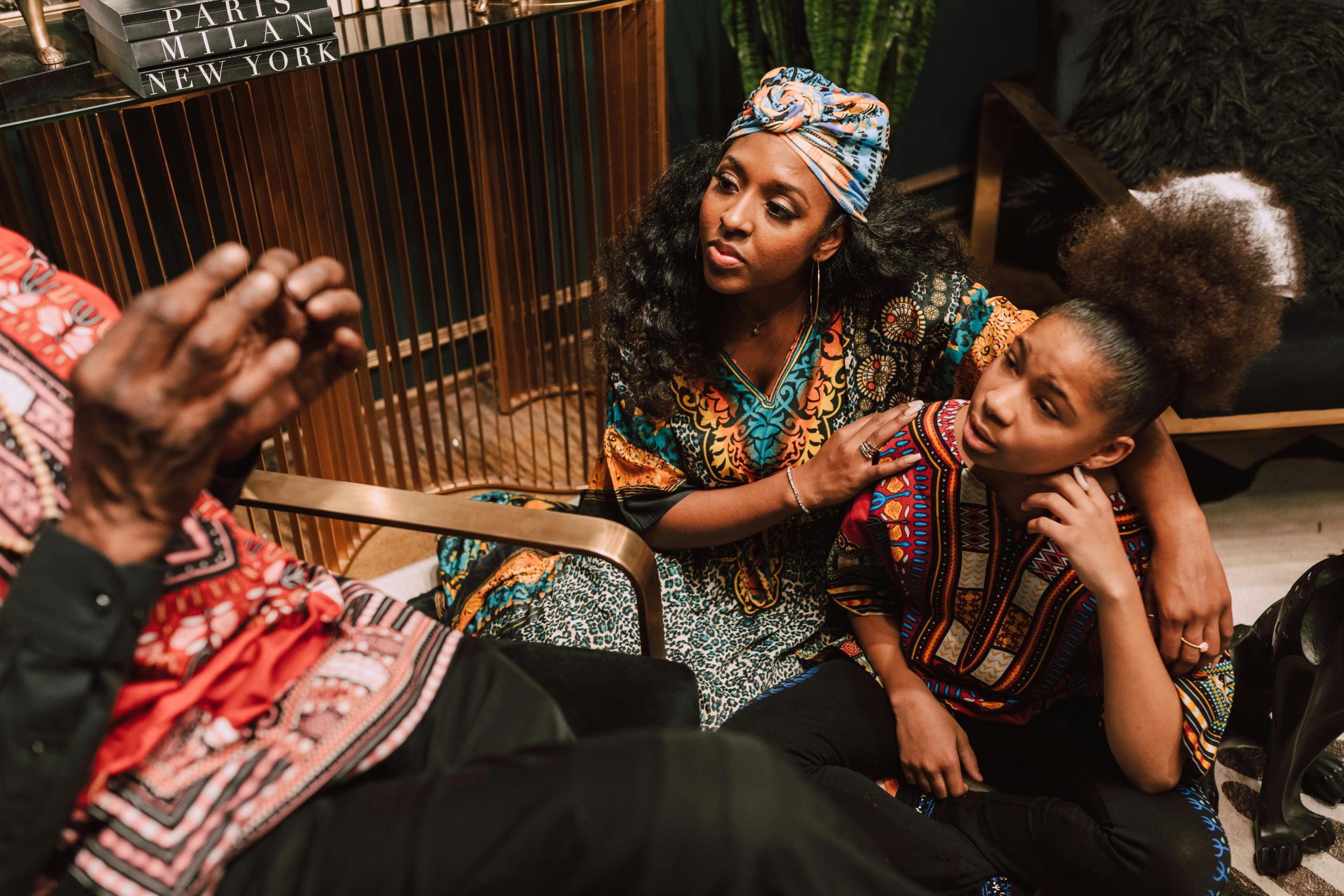
The Evolution of Fashion and Identity
The relationship between fashion and identity can be traced back to the earliest human civilizations. In ancient Egypt, for example, clothing was used to indicate social status and occupation. The pharaohs wore elaborate garments made from luxurious fabrics, while the common people wore simpler clothing made from cheaper materials. This distinction in clothing helped establish a clear social hierarchy.
In the Middle Ages, fashion and identity were closely linked with religion. The clothing worn by individuals often represented their religious beliefs and affiliations. For instance, Christians wore crosses, while Muslims wore turbans. Fashion also played a significant role in defining gender roles, with men and women having distinct clothing styles.
As society progressed and entered the modern era, fashion started to become more accessible to the masses. With the industrial revolution, the production of clothing became more efficient and affordable. This allowed people from different social classes to express themselves through fashion, blurring the lines between social status and identity.
Fashion as a Form of Self-Expression
Today, fashion is viewed as a way to express one’s personality and individuality. Personal style has become a way to convey one’s identity and values, rather than conforming to societal norms. This shift can be seen in the rise of subcultures, where individuals use fashion to express their affiliation and belonging to a particular group.
For instance, the punk subculture of the 1970s was known for its unconventional and rebellious fashion choices, such as ripped clothing and bold hair colors. This style was a form of protest against mainstream society and a way for individuals to express their identity as non-conformists.
Even in the business world, fashion has become a way to communicate one’s identity and values. Tech giants like Steve Jobs and Mark Zuckerberg are known for their signature style – a black turtleneck and jeans for Jobs and a gray t-shirt and hoodie for Zuckerberg. This distinct fashion choice has become a part of their brand and has helped them convey their identity as creative, innovative leaders.
The Impact of Social Media on Fashion and Identity
The rise of social media has also had a significant impact on fashion and identity. With platforms like Instagram and Pinterest, individuals can now create and curate their own personal brand through their fashion choices. They can showcase their unique style and aesthetic, allowing them to express their identity to a global audience.
Social media has also given rise to the influencer culture, where individuals with a significant following on social media can influence trends and fashion choices. These influencers often use fashion as a way to showcase their identity and connect with their audience, creating a sense of community and belonging.
The Dark Side of Fashion and Identity
While fashion has undoubtedly played a significant role in shaping our identities, it also has a darker side. The pressure to conform to societal beauty standards and to keep up with constantly changing fashion trends can be damaging to one’s self-esteem and sense of self. In a world where appearances are heavily focused on, individuals may rely too heavily on fashion to define their identity, rather than focusing on their inner qualities and values.
Moreover, the fashion industry itself has been criticized for perpetuating harmful stereotypes and promoting unrealistic beauty standards. From racial exclusion on the runway to promoting a thin and unrealistic body image, fashion has been called out for its lack of inclusivity and diversity. This, in turn, can have a negative impact on one’s sense of identity.
The Ever-Evolving Relationship Between Fashion and Identity
As society continues to evolve, so does the relationship between fashion and identity. With the rise of sustainability and a greater focus on individualism, fashion is becoming more about personal expression and less about conforming to societal standards. Individuals are now using fashion as a way to express their beliefs, values, and uniqueness, rather than as a means of fitting in.
While fashion will always be a part of our lives, it is essential to recognize that it should not solely define our identities. Fashion should be used as a tool for creativity and self-expression, rather than a means of conforming or fitting in. After all, fashion is just one aspect of our complex and multi-faceted identities, and it is more important to stay true to ourselves than to follow fleeting trends.