
The Future of Fashion Retail: Experiential Shopping Destinations
With the rise of e-commerce and changing consumer habits, the fashion retail industry is at a critical turning point. In order to stay relevant and appealing to customers, traditional brick-and-mortar stores must adapt to the changing landscape. Experiential shopping destinations have emerged as the future of fashion retail, providing customers with a unique and immersive shopping experience that cannot be replicated online. The success of these destinations lies in their ability to combine retail with entertainment, creating a one-of-a-kind atmosphere that engages customers and keeps them coming back. In this article, we will delve deeper into the concept of experiential shopping destinations and how they are shaping the future of fashion retail.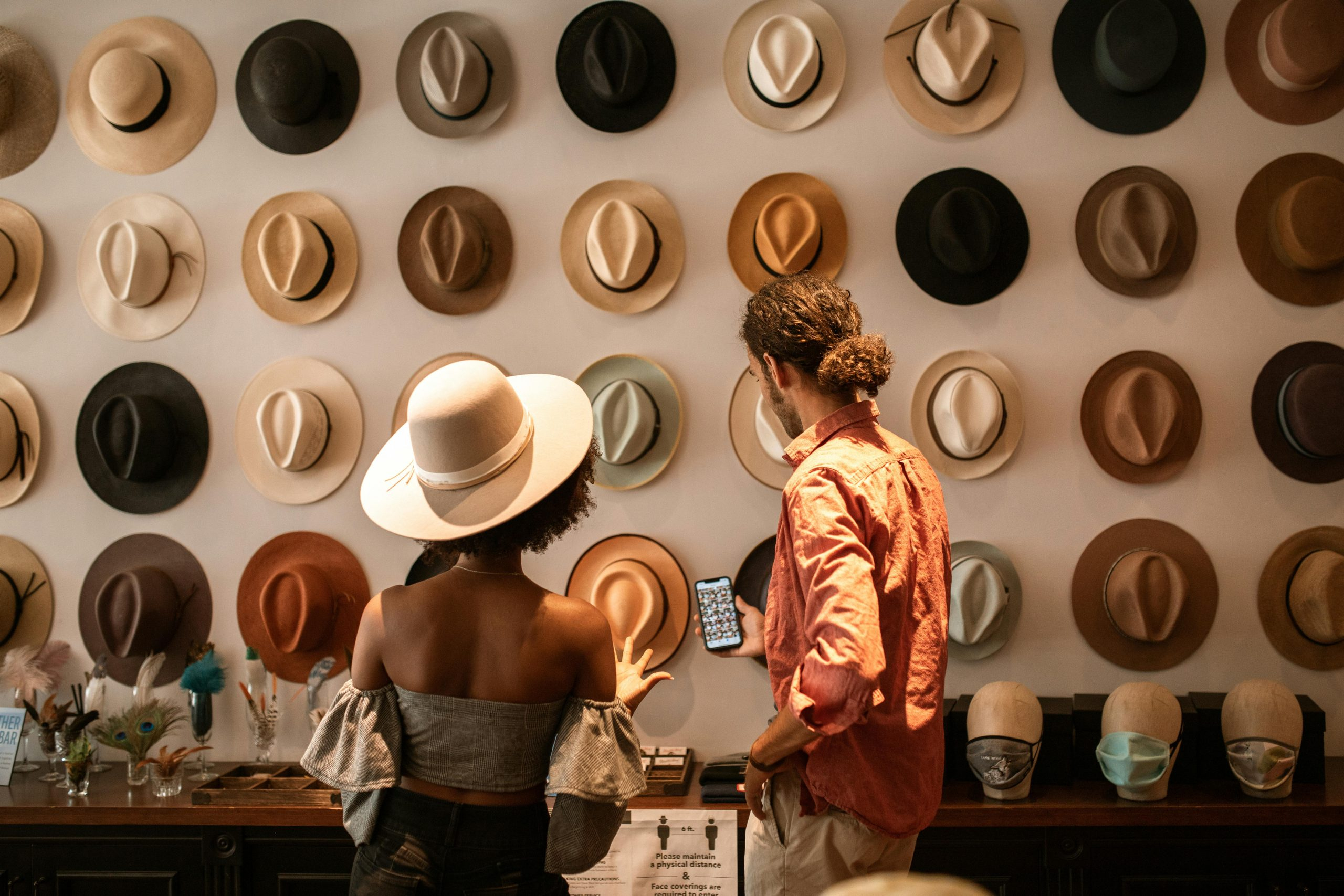
What are Experiential Shopping Destinations?
Experiential shopping destinations are physical retail stores that offer customers an immersive and interactive experience. These destinations go beyond the traditional retail concept of simply selling products, and instead focus on providing a unique and memorable experience for their customers. They often incorporate elements of entertainment, technology, and personalization, creating a multi-sensory atmosphere that stimulates and engages shoppers.
The Rise of Experiential Shopping Destinations in Fashion Retail
The idea of creating a unique shopping experience is not a new concept, but it has gained significant traction in recent years due to the rise of e-commerce. With the convenience and ease of online shopping, traditional retail stores have been struggling to attract customers and stay profitable. In response, fashion retailers have turned to experiential shopping destinations as a way to differentiate themselves and stand out in a crowded market.
One of the most well-known examples of an experiential shopping destination is Nike’s New York City flagship store. Spanning six floors and over 68,000 square feet, the store offers customers a truly immersive experience. From personalized products and services to interactive digital displays, the store goes beyond the traditional retail experience and creates a space where customers can connect with the brand on a deeper level. This approach has been a huge success for Nike, with the store generating over $105 million in sales in its first year alone.
The Benefits of Experiential Shopping Destinations
Increased Foot Traffic and Sales
In a time when traditional retail stores are struggling to attract customers, experiential shopping destinations have proven to be effective in bringing in foot traffic and driving sales. By offering customers a unique and engaging experience, these destinations appeal to a wider audience and can entice customers to spend more time and money in-store.
Building a Stronger Connection with Customers
Unlike online shopping, experiential shopping destinations give customers an opportunity to physically interact with the products and the brand. By creating a multi-sensory experience, these destinations can foster a stronger emotional connection with customers, leading to increased brand loyalty and repeat business.
The Personalization Factor
Personalization is becoming increasingly important in the retail industry. Experiential shopping destinations have the ability to offer personalized services and products to their customers, which can be a huge draw for shoppers. Whether it’s through interactive displays or personalized styling sessions, customers can feel more connected to the brand and their individual shopping experience.
The Future of Fashion Retail: Experiential Shopping Destinations
In a world where e-commerce is dominating the retail landscape, experiential shopping destinations offer a glimmer of hope for traditional brick-and-mortar stores. With their ability to provide customers with a one-of-a-kind experience, these destinations are reshaping the future of fashion retail. As more and more retailers embrace this concept, it’s safe to say that experiential shopping destinations will continue to thrive and play a significant role in the evolution of the fashion retail industry.
Conclusion
In conclusion, experiential shopping destinations have emerged as the future of fashion retail, offering customers a unique and immersive experience that cannot be replicated online. With their ability to combine retail with entertainment and personalization, these destinations are attracting more foot traffic and sales, while also building stronger connections with customers. In the face of a changing retail landscape, experiential shopping destinations are proving to be a successful strategy for fashion retailers looking to stay relevant and drive business. The future of fashion retail is undoubtedly experiential, and it will be exciting to see how this trend continues to evolve in the years to come.