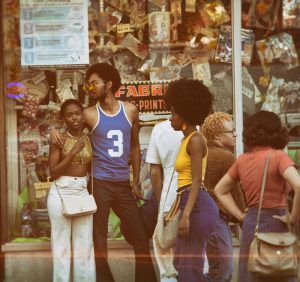
The Role of Artificial Intelligence in Predicting Fashion Trends
Fashion trends are constantly evolving, and staying ahead of the curve is the key to success in the fast-paced world of fashion. Deciphering what styles and designs will be popular in the upcoming seasons is a challenge for designers and retailers alike. This is where artificial intelligence (AI) comes in, offering a valuable tool for predicting fashion trends. In recent years, AI technology has made significant strides in the fashion industry, with the ability to analyze consumer data and market trends, identifying what will be popular before it even reaches the runway. Let’s dive into the role of AI in predicting fashion trends and how it is revolutionizing the way the industry operates.
The Power of Data
AI algorithms thrive on data. They can quickly sift through vast amounts of information and identify patterns and trends that would be nearly impossible for a human to detect. This is especially crucial in the fashion industry, where consumer preferences and market trends are constantly in flux. Companies can rely on AI to analyze various data points, including consumer demographics, social media trends, search data, and sales numbers, to determine future trends. This data-driven approach is more efficient and reliable than traditional methods, which often rely on intuition and guesswork.
Virtual Fashion Assistants
The fashion industry is all about personalization and providing consumers with an individualized shopping experience. With AI technology, this experience can be taken to the next level. Virtual fashion assistants powered by AI can interact with shoppers and make personalized style recommendations based on their preferences. These assistants can also provide real-time feedback on potential purchases, allowing consumers to make more informed decisions. This personalized shopping experience not only caters to the individual needs of customers but also collects valuable data that can be used for trend prediction.
Predictive Analytics
AI’s predictive analytics capabilities are a game-changer in the fashion industry. With access to vast amounts of data, AI can accurately forecast upcoming trends and optimize inventory levels, ensuring that retailers have the right products in stock at the right time. This eliminates the risk of missed sales opportunities and reduces the likelihood of excess inventory, which can cause financial losses for retailers. Predictive analytics also allows companies to stay ahead of the competition by quickly responding to market changes and consumer preferences.
The Influence of Social Media
Social media plays a significant role in fashion trends, and AI algorithms are uniquely suited to analyze the vast amounts of data generated by platforms like Instagram and Pinterest. With AI, companies can track hashtags, likes, and comments to determine which trends are gaining traction and which are fading out. This information can be used to inform product design and marketing strategies, ensuring that brands stay relevant and on-trend.
The Rise of Sustainable Fashion
Sustainability is a growing concern in the fashion industry, and AI can play a crucial role in promoting more sustainable practices. With the ability to analyze data related to sustainable materials and consumer attitudes towards eco-friendly fashion, AI can help companies make more informed decisions when it comes to their supply chain and production processes. This not only benefits the environment but also caters to the growing demand for sustainable fashion from consumers.
Limitations of AI in Predicting Fashion Trends
While AI has shown great promise in predicting fashion trends, it is not without its limitations. For one, AI algorithms can only analyze the data they are given, which can lead to biased results. This can be problematic when it comes to diversity and inclusivity in fashion. Additionally, AI cannot take into account unexpected events or cultural shifts that can influence fashion trends. It is essential for companies to have a balance between AI and human input to ensure accurate trend predictions.
The Future of Fashion and AI
As AI technology continues to improve and evolve, its role in the fashion industry will only grow. Designers and retailers will have access to more advanced tools for predicting trends, personalizing the shopping experience, and promoting sustainability. However, it is crucial to remember that AI is meant to complement human input, not replace it entirely. A combination of data-driven insights and creative human intuition will ultimately lead to the most successful fashion trends.
Artificial intelligence may not be able to predict every trend with complete accuracy, but it is undoubtedly revolutionizing the way fashion trends are predicted and influencing the industry’s future. As technology continues to advance, we can expect to see even more innovative and data-driven approaches to fashion forecasting, helping brands and consumers stay ahead of the fashion game.