Effective Methods for Tracking Personal Expenses Accurately
Do you find yourself constantly going over budget and struggling to keep track of your personal expenses? You’re not alone. In fact, a survey conducted by the American Psychological Association found that 72% of Americans reported feeling stressed about money at least some of the time. Effective expense tracking is crucial for achieving financial stability and reducing financial stress. In this article, we’ll discuss the top methods for accurately tracking your personal expenses and how they can benefit your overall financial health.
The Importance of Tracking Personal Expenses
Before we dive into the various methods, it’s essential to understand why tracking personal expenses is so important. First and foremost, by knowing exactly where your money is going, you can identify areas where you may be overspending. This information can help you create a budget and make adjustments to prevent overspending in the future. Additionally, tracking your expenses allows you to detect any fraudulent charges and ensure accuracy in your financial records. Finally, it gives you a better understanding of your spending habits and allows you to make more informed financial decisions.
Method 1: Manual Tracking
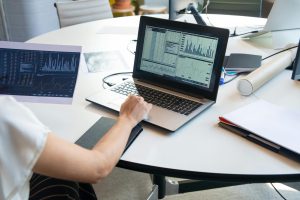
The most traditional method of tracking personal expenses is by manually recording each expense you make. This can be done using a pen and paper or through a spreadsheet. While this method may seem straightforward, it does require discipline and consistency. You must make a conscious effort to record every expense, no matter how small, to get an accurate picture of your spending habits. It’s also essential to categorize your expenses to analyze your spending in different areas, such as groceries, entertainment, or transportation.
Method 2: Mobile Apps
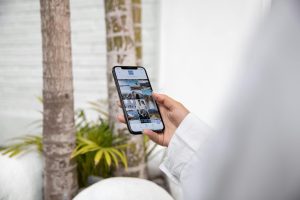
In today’s digital age, there are numerous mobile apps designed to help you track your personal expenses. These apps allow you to connect your bank account and credit cards, making it easier to track all your expenses in one place. Many also offer features like budgeting tools, spending reports, and bill reminders. Plus, they often come with customizable categories, making it easy to analyze your spending in specific areas. Some popular expense tracking mobile apps include Mint, PocketGuard, and YNAB.
Method 3: Online Tracking Tools
Similar to mobile apps, there are also various online tools that can help you track your expenses. These tools typically require you to link your bank accounts and credit cards to import your transactions automatically. They also offer features like budgeting tools, expense reports, and customizable categories. Many of these tools also offer added security features, such as two-factor authentication, to protect your financial information. Popular expense tracking online tools include Personal Capital, Quicken, and QuickBooks.
Method 4: Credit Card Statements
If you primarily use credit cards for your expenses, your credit card statements can be an effective way to track your spending. Most credit card statements include a summary of your expenses by category, making it easy to see where your money is going each month. Some credit card companies even offer customized spending reports, so you can see your spending habits over a specified period. However, this method is only effective if you pay off your credit card balance in full each month. Otherwise, you may end up overspending and accruing unnecessary interest charges.
Tips for Accurate Expense Tracking
No matter which method you choose for tracking your personal expenses, there are a few tips to keep in mind to ensure accuracy.
1. Be Consistent
Consistency is key when it comes to successful expense tracking. Make it a habit to record your expenses at the same time every day or every week. This will prevent missing any transactions and ensure accuracy in your records.
2. Save Your Receipts
While most transactions can be tracked through your bank or credit card statements, it’s always a good idea to save your receipts as a backup. This is especially important for cash transactions, which may not be recorded automatically.
3. Review Your Records Regularly
It’s essential to review your records regularly to spot any errors or discrepancies. It’s also a good habit to analyze your spending habits to identify areas where you may need to cut back.
4. Stick to a Budget
Tracking your expenses is only useful if you use that information to make adjustments to your spending habits. Be sure to create a budget based on your tracked expenses and stick to it to achieve financial stability.
Conclusion
Tracking your personal expenses accurately is essential for achieving financial stability and reducing financial stress. While there are various methods to choose from, find the one that works best for you and your lifestyle. Remember to be consistent and review your records regularly. With proper expense tracking, you’ll have a better understanding of your spending habits and be on your way to financial success.