
Classical Composers Who Revolutionized Orchestral Works
Classical music has been appreciated for centuries for its complexity, emotional depth, and timeless beauty. This genre has produced some of the greatest compositions of all time, thanks to the outstanding talent and ingenuity of the classical composers. While there are countless names that have contributed to the evolution of classical music, there are some who have revolutionized orchestral works and left a lasting impact on the genre. In this article, we will take a closer look at some of these legendary composers who truly changed the course of classical music history.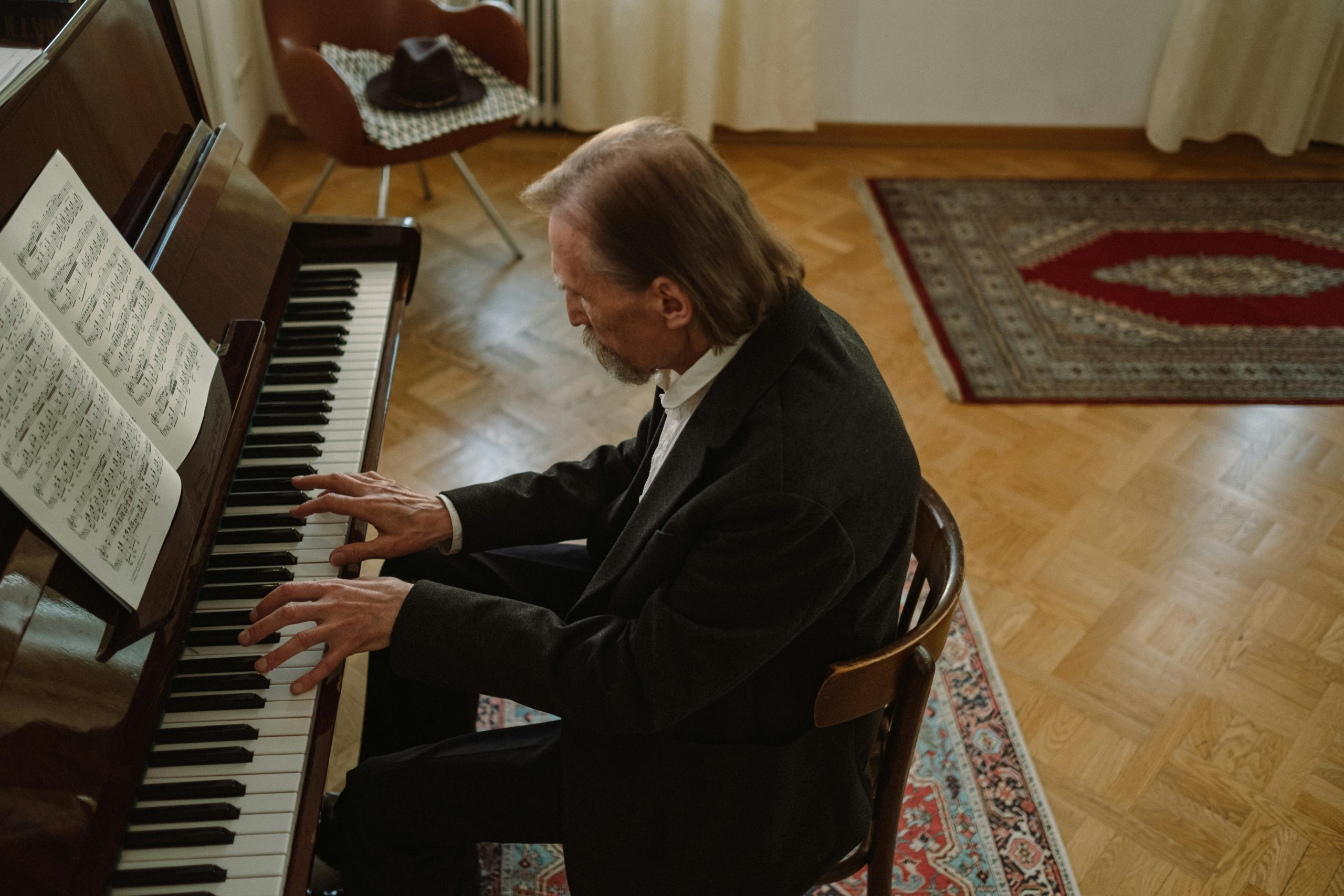
Johann Sebastian Bach
Considered by many as one of the greatest composers of all time, Johann Sebastian Bach was a German composer and musician who lived in the 18th century. His contributions to classical music are immense, and he is often referred to as the father of modern music. Bach’s incorporation of complex melodic and harmonic structures revolutionized orchestral works and set a new standard for what was possible in music.
Bach’s Influence on Orchestral Music
One of Bach’s most significant contributions to orchestral music was the development of the concerto and the concerto grosso. He wrote a series of concertos for different instruments, showcasing their unique capabilities and giving them an equal role in the composition. This approach paved the way for future composers to explore the potential of each instrument and create more versatile orchestral works.
Another aspect of Bach’s music that revolutionized orchestral works was his use of counterpoint. This refers to the technique of combining multiple melodic lines, each with its own distinct rhythm and melody, to create a harmonious whole. Bach’s mastery of counterpoint was unrivaled, and it opened up a whole new world of musical possibilities for future composers.
Wolfgang Amadeus Mozart
Wolfgang Amadeus Mozart was a prodigy who started composing at the tender age of five. His musical genius and prolific output have made him one of the most celebrated composers of all time. Mozart’s compositions were a perfect balance of technical skill and emotional depth, making him a true pioneer in the classical music world.
Mozart’s Impact on Orchestral Music
Mozart’s contribution to orchestral music was primarily in the form of symphonies and operas. He expanded the traditional symphonic form by including more instruments and creating a more significant impact with his compositions. His operas were also groundbreaking, as he introduced complex characters and intricate plotlines, elevating the art form of opera to new heights.
Another significant contribution of Mozart to orchestral music was his use of the sonata form. This structure consists of three main sections: exposition, development, and recapitulation, and has become a standard in classical composition. Mozart’s skillful use of this form in his orchestral works has set a benchmark for future composers to follow.
Ludwig van Beethoven
Ludwig van Beethoven is widely considered a rebel of the classical music world. He broke the rules, pushed boundaries, and produced compositions that were ahead of his time. Beethoven’s music was bold, emotional, and highly innovative, making him a revolutionary figure in orchestral music.
Beethoven’s Role in Shaping Orchestral Music
One of the significant contributions of Beethoven to orchestral music was his expansion of the symphony. He moved away from the traditional structure of a symphony and experimented with different concepts, such as using vocal soloists and choir in his Ninth Symphony. This renewed approach to symphonic music opened up new possibilities for composers to experiment and push the boundaries of orchestral music.
Beethoven’s use of dynamics and emotional expressiveness also had a significant impact on orchestral works. He used these elements to create powerful and moving pieces that touched the hearts of audiences. His influence can be seen in the compositions of many romantic composers who followed in his footsteps.
Classical music owes a debt of gratitude to these remarkable composers who revolutionized orchestral works and changed the course of music history. Their innovations and contributions have shaped the genre, inspired future generations of composers, and continue to be appreciated and revered by classical music lovers worldwide.