
The Importance of Music Archives for Preserving Cultural Heritage
The power of music is truly remarkable. It has the ability to transcend time, language, and culture, bringing people together in a shared experience. For centuries, music has played an important role in preserving cultural heritage, passing down traditions and stories from one generation to the next. However, with the fast-paced and ever-evolving digital age, the preservation of these musical traditions is at risk. This is where music archives come into play, as they serve as valuable repositories of our rich and diverse cultural heritage. In this article, we will delve into the importance of music archives in preserving our cultural legacy.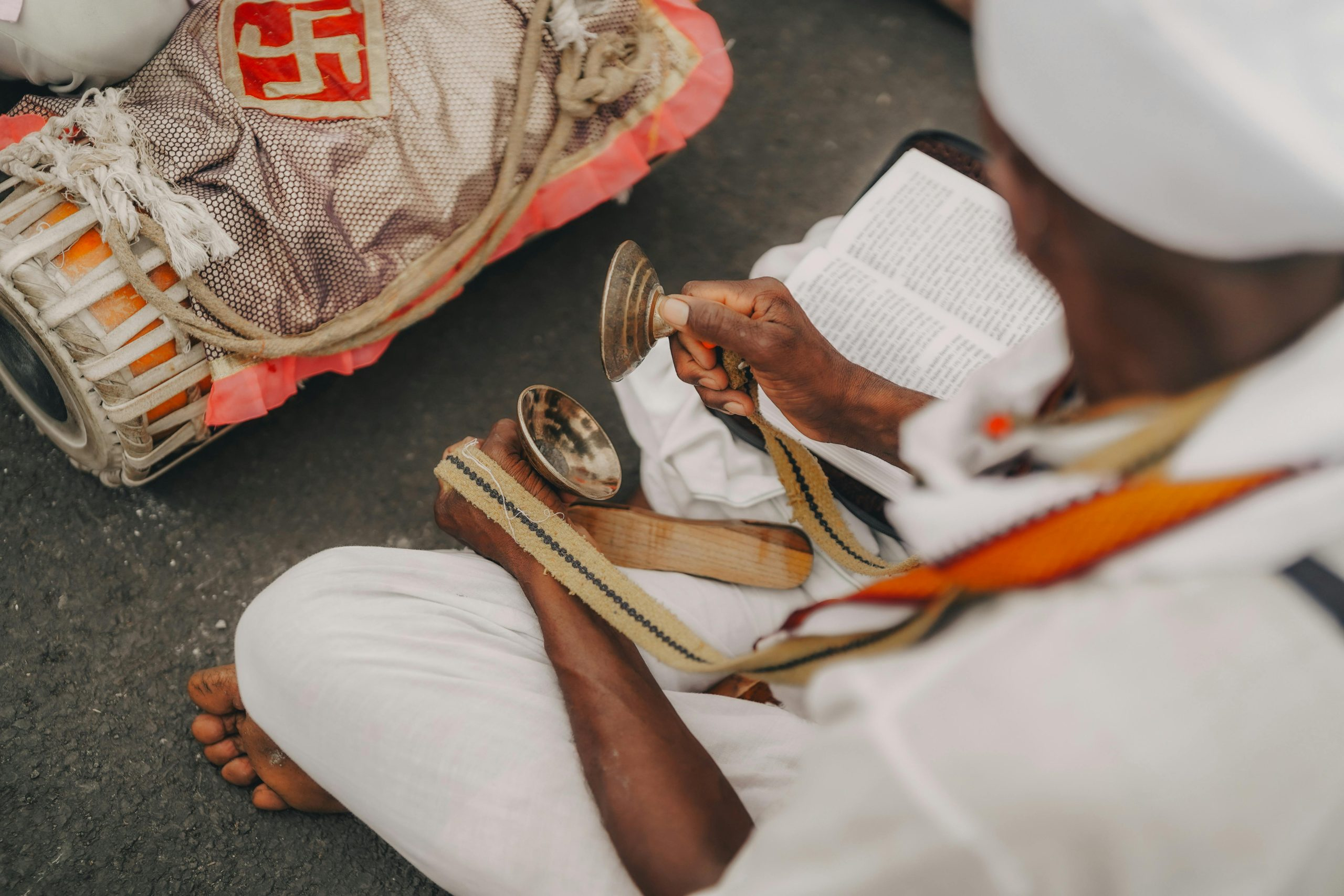
The History of Music Archives
Music archives have existed for hundreds of years, even before the invention of recording devices. In ancient times, music was primarily passed down orally, from one generation to the next. However, as societies became more complex and diverse, the need for written records emerged. This led to the creation of music archives where written scores, manuscripts, and recordings were stored.
Fast forward to the 19th and 20th century, the birth of modern recording technology ushered in a new era of music preservation. Music archives began to collect and store physical copies of musical recordings, including vinyl records, cassette tapes, and CDs. However, with the advent of digital music, the landscape of music archives changed once again.
The Role of Music Archives in Preserving Cultural Heritage
Music archives play a crucial role in preserving our cultural heritage by safeguarding the recordings, documents, and artifacts of our musical past. These archives serve as a window into our cultural history, offering a glimpse into the evolution of music and its influence on society.
Preserving Rare and Forgotten Music
Music archives are responsible for housing and preserving recordings of music that may otherwise be lost or forgotten. These archives collect rare and obscure recordings, ensuring that they are not lost to time. Without these archives, countless musical gems would have been lost forever, ultimately erasing important pieces of our cultural history.
Documenting Cultural Traditions
Every culture has its own unique musical traditions and customs, passed down through generations. Music archives play a vital role in documenting and preserving these traditions, ensuring that they are not lost as time progresses. This allows future generations to learn about and experience the musical traditions of their ancestors.
Bridging Generational Gaps
Music has the power to bring people together, regardless of age or background. By preserving our musical heritage, music archives serve as a bridge between generations, connecting us to our roots and helping us understand and appreciate the musical legacy passed down to us.
The Impact of Digital Technology
The rise of digital technology has allowed music archives to expand their reach and accessibility. With the digitization of music archives, rare and forgotten recordings can now be accessed and enjoyed by a wider audience. This also allows for easier preservation and documentation of musical traditions, making it possible for future generations to experience the same music as their ancestors did.
However, digital technology also presents new challenges for music archives. With the constant evolution of technology, there is a risk of digital information becoming outdated and inaccessible. This highlights the importance of regularly updating and maintaining digital music archives to ensure the preservation of our cultural heritage.
Conclusion
Music is a powerful force that has the ability to transcend time and connect people from different cultures. Music archives play a crucial role in preserving our musical heritage, safeguarding our cultural legacy for future generations. As technology continues to advance, it is essential that we recognize the importance of music archives and continue to support and preserve them for the benefit of all.
So, the next time you listen to a song or attend a musical performance, remember the importance of music archives in preserving our rich and diverse cultural heritage. Let us continue to appreciate and celebrate the power of music and work towards its preservation for generations to come.