
The Structural Integrity of the Sonata Form in Classical Music
Classical music has stood the test of time, with its intricate compositions and masterful techniques captivating audiences for centuries. One of the most celebrated structural forms in classical music is the sonata form, which has been a cornerstone of composition since the 18th century. Its enduring popularity can be attributed to its unparalleled ability to create tension and resolution, making it a staple in various musical genres. In this article, we will delve into the structural integrity of the sonata form in classical music, exploring its origins, components, and significance in the world of classical music. 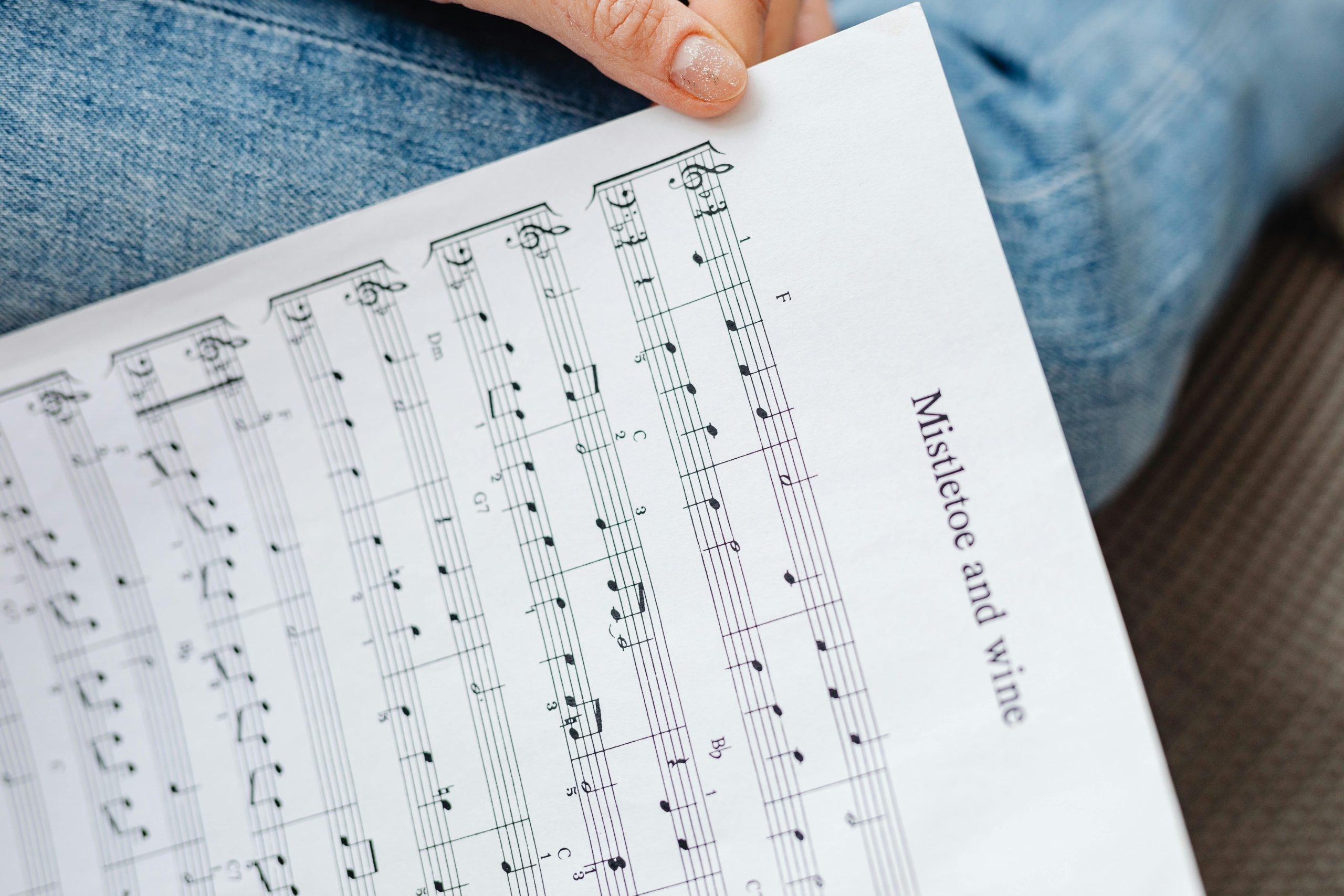
The Origin of Sonata Form
The origins of sonata form can be traced back to the Baroque period, but it was in the Classical period that it flourished and became the dominant form of instrumental music. The word “sonata” is derived from the Latin word “sonare,” which means “to sound.” It was initially used to describe pieces that were played rather than sung, and it was primarily used for instrumental music. Early sonatas were written for solo instruments, but as the form evolved, it began to incorporate multiple instruments, leading to the creation of the sonata form we know today.
The Components of Sonata Form
Sonata form is a three-part structure that consists of the exposition, development, and recapitulation. The exposition introduces the main themes of the piece, typically in two contrasting musical ideas known as the primary and secondary themes. The primary theme is usually in the tonic key, while the secondary theme is in the dominant or relative major key. This contrast in tonality creates tension, setting the foundation for the development section.
The development section is where the composer takes the initial themes and subjects them to various transformations, manipulating the harmony, rhythm, and melody to create a sense of instability and unpredictability. This is where the creativity and genius of the composer are on full display, as they use techniques such as modulation, fragmentation, and inversion to keep the audience engaged.
The final section, recapitulation, is where the primary and secondary themes return, but this time, both are in the tonic key. This provides a sense of resolution, as the piece comes full circle and ends on a satisfying note.
The Structural Significance of Sonata Form
Sonata form was a revolutionary development in classical music, as it introduced a new level of structural complexity and sophistication. It allowed composers to manipulate themes and motifs, creating a more cohesive and intricate piece of music. The use of contrast and tension in the exposition and development sections kept audiences on the edge of their seats, eagerly anticipating the resolution in the recapitulation. This structural integrity of the sonata form has been a hallmark of classical music and has influenced various other genres, such as jazz, rock, and even movie soundtracks.
Another significant aspect of sonata form is its flexibility. While the basic structure remains the same, composers have been able to experiment and push the boundaries, adding their own unique touches to the form. This has resulted in the creation of countless masterpieces, each with its own distinctive characteristics and charm.
In Conclusion
The sonata form is a cornerstone of classical music, and its structural integrity has stood the test of time. From its humble beginnings in the Baroque period to its evolution and popularity in the Classical period, it has remained a staple in the world of music. Its three-part structure, consisting of the exposition, development, and recapitulation, provides a perfect balance of tension and resolution, captivating audiences for centuries. So next time you listen to a classical piece, pay attention to the structure and appreciate the skill and genius behind the sonata form.