Sustainable Landscaping: Boosting Curb Appeal and Home Value
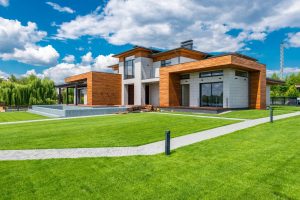
The exterior of a house can be just as important as the interior when it comes to making a good impression on potential buyers. When selling a home, curb appeal can greatly affect its value and ultimately, the time it takes to sell. One of the best ways to boost curb appeal is through sustainable landscaping. Not only does it enhance the visual appeal of a home, but it also has a positive impact on the environment. Sustainable landscaping, also known as eco-friendly or green landscaping, uses practices and materials that are healthy for both homeowners and the planet. In this article, we’ll explore how sustainable landscaping can improve curb appeal and add value to your home.
The Benefits of Sustainable Landscaping
Sustainable landscaping is a growing trend in the real estate world, and for good reason. One of its primary benefits is its positive impact on the environment. By using eco-friendly practices, such as planting native species and avoiding chemical pesticides, sustainable landscaping helps to conserve natural resources and maintain biodiversity. It also reduces water usage, which is especially important in drought-prone areas.
Aside from its environmental benefits, sustainable landscaping also has financial advantages. According to a study by the National Association of Realtors, a well-landscaped yard can increase a home’s value by up to 10%. However, if that landscaping is sustainable, it can increase the value by up to 15%. This is because homeowners are becoming more conscious of their environmental impact and are willing to pay more for homes that align with their values.
Key Elements of Sustainable Landscaping
1. Native Plants
Native plants are those that naturally grow in a specific region and are well suited to the local climate and soil conditions. By using native plants in your landscaping, you can reduce maintenance costs as they require less water, fertilizer, and pest control measures. They also attract pollinators and other local wildlife, adding to the natural beauty of your yard.
2. Drought-Tolerant Plants
In regions where water shortages are a concern, using drought-tolerant plants is key to sustainable landscaping. These plants are able to survive with minimal watering, reducing the need for irrigation systems and saving water. Some popular choices include succulents, lavender, and ornamental grasses.
3. Permeable Hardscapes
Hardscapes, such as patios and walkways, are an essential part of any landscaping design. However, traditional materials like concrete can prevent water from seeping into the ground, contributing to water runoff and soil erosion. Using permeable hardscape materials, such as gravel, pavers, or porous concrete, allows water to pass through, reducing runoff and replenishing groundwater.
4. Mulch
Mulch is an essential component of any sustainable landscaping design. Not only does it help to retain soil moisture, but it also inhibits the growth of weeds, reducing the need for chemical herbicides. Organic mulches, such as bark chips, also add nutrients to the soil as they break down, promoting healthy plant growth.
Add Value to Your Home with Sustainable Landscaping
Curb appeal plays a significant role in the overall value of a home. A well-landscaped yard not only makes a great first impression, but it also shows potential buyers that the home has been well-maintained. By incorporating sustainable landscaping into your yard, you can increase its value and attract environmentally-conscious buyers.
One of the most important things to keep in mind when implementing sustainable landscaping is to choose plants that are low maintenance and suitable for your region. This will not only save you time and money but will also ensure the longevity of your landscaping.
In addition to sustainable plants, consider incorporating other eco-friendly elements into your landscaping design, such as rain barrels for water collection, solar-powered lighting, and compost bins. These features add to the overall sustainability of your yard and add value to your home.
Conclusion
Sustainable landscaping provides numerous benefits, from reducing environmental impact to increasing home value. By using native plants, drought-tolerant species, permeable hardscapes, and organic mulch, you can create a beautiful and eco-friendly landscape that will impress potential buyers and add value to your home. So if you’re looking to boost curb appeal and increase your home’s value, consider incorporating sustainable landscaping into your yard.