
The Impact of Remote Work on Suburban Housing Demand
In the wake of the COVID-19 pandemic, the business world has undergone a massive shift towards remote work. Companies that once relied on a physical office space are now operating entirely online, with employees setting up their home offices in suburban areas. This shift has not only changed the way we work, but it has also had a profound impact on housing demand in suburban areas. In this article, we will delve into the various ways in which remote work has shaped the demand for suburban housing and its potential long-term effects.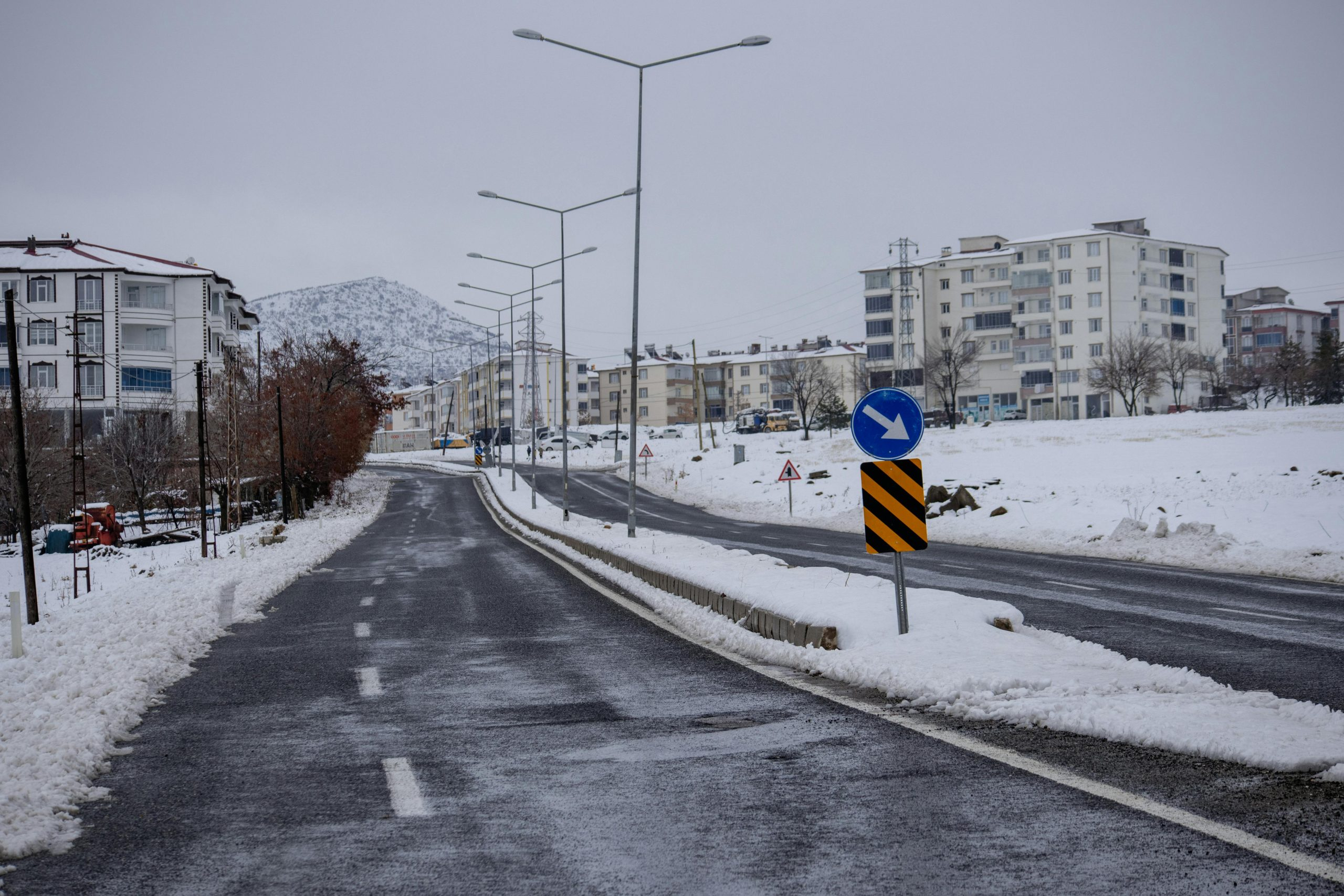
The Rise of Remote Work
Prior to the pandemic, remote work was already on the rise, with a growing number of companies offering flexible work arrangements. However, the pandemic has accelerated this trend, leading to a sudden surge in the number of employees working remotely. In fact, a recent survey by Gartner found that 88% of organizations globally have encouraged or mandated their employees to work from home.
This shift to remote work has been beneficial for both employers and employees. Companies are able to save on office space and overhead costs, while employees are freed from the daily commute and have more flexibility in their work schedules. As a result, many employees are now able to consider relocating to suburban areas, away from the hustle and bustle of the city.
The Suburban Housing Boom
The rise in remote work has led to a surge in suburban housing demand, as many city dwellers are now looking to move away from densely populated areas. With remote work becoming the new norm, people no longer need to live within commuting distance of their office, allowing them to consider more spacious and affordable suburban homes.
In addition, the pandemic has caused a shift in priorities for many individuals and families. With more time spent at home and less time in crowded urban areas, people are now looking for homes that provide ample space, both indoors and outdoors. This has led to an increase in demand for single-family homes with larger yards, as well as for homes in suburban neighborhoods with more green space and access to outdoor activities.
Implications for Suburban Housing
The sudden influx of city dwellers into the suburban housing market has had various implications for the housing industry. Firstly, it has caused a surge in home prices in suburban areas, as demand outweighs supply. Realtor.com reported that the median listing price for suburban homes has increased by 13.2% in July 2020, compared to the same time last year.
In addition, the increased demand for suburban housing has also sparked a trend of bidding wars, resulting in increased competition among buyers and driving up home prices even further. This can make it challenging for first-time buyers or those on a tight budget to enter the suburban housing market.
The Long-Term Effects of Remote Work on Suburban Housing
While the impact of remote work on suburban housing demand may seem like a temporary trend, it is likely to have long-term effects. As remote work becomes more widely accepted and even expected by employees, the demand for suburban housing is likely to remain high.
Some experts predict that this trend may lead to a restructuring of the housing market, with a decline in demand for urban apartments and a rise in suburban homes. This could also have economic implications, as businesses and services begin to follow the shift towards suburban areas, leading to increased job opportunities and further growth in these communities.
Conclusion
The COVID-19 pandemic has had a profound impact on the way we work, with remote work becoming the new norm for many. This has sparked a surge in suburban housing demand, as employees are now able to relocate from urban areas to more spacious and affordable suburban homes. While it may have started as a temporary trend, the long-term effects of remote work on suburban housing demand are likely to shape the housing market for years to come.