
Essential Tips for Buying and Selling Goods Online Safely
The internet has revolutionized the way we buy and sell goods. With just a few clicks, we can purchase anything from groceries to furniture to electronics. And on the flip side, we can also sell our own goods and make money without ever leaving the comfort of our homes. However, amidst this convenience, there is also a risk of online fraud and scams. It’s important to know how to protect yourself when buying and selling goods online. In this article, we’ll discuss essential tips for buying and selling goods online safely.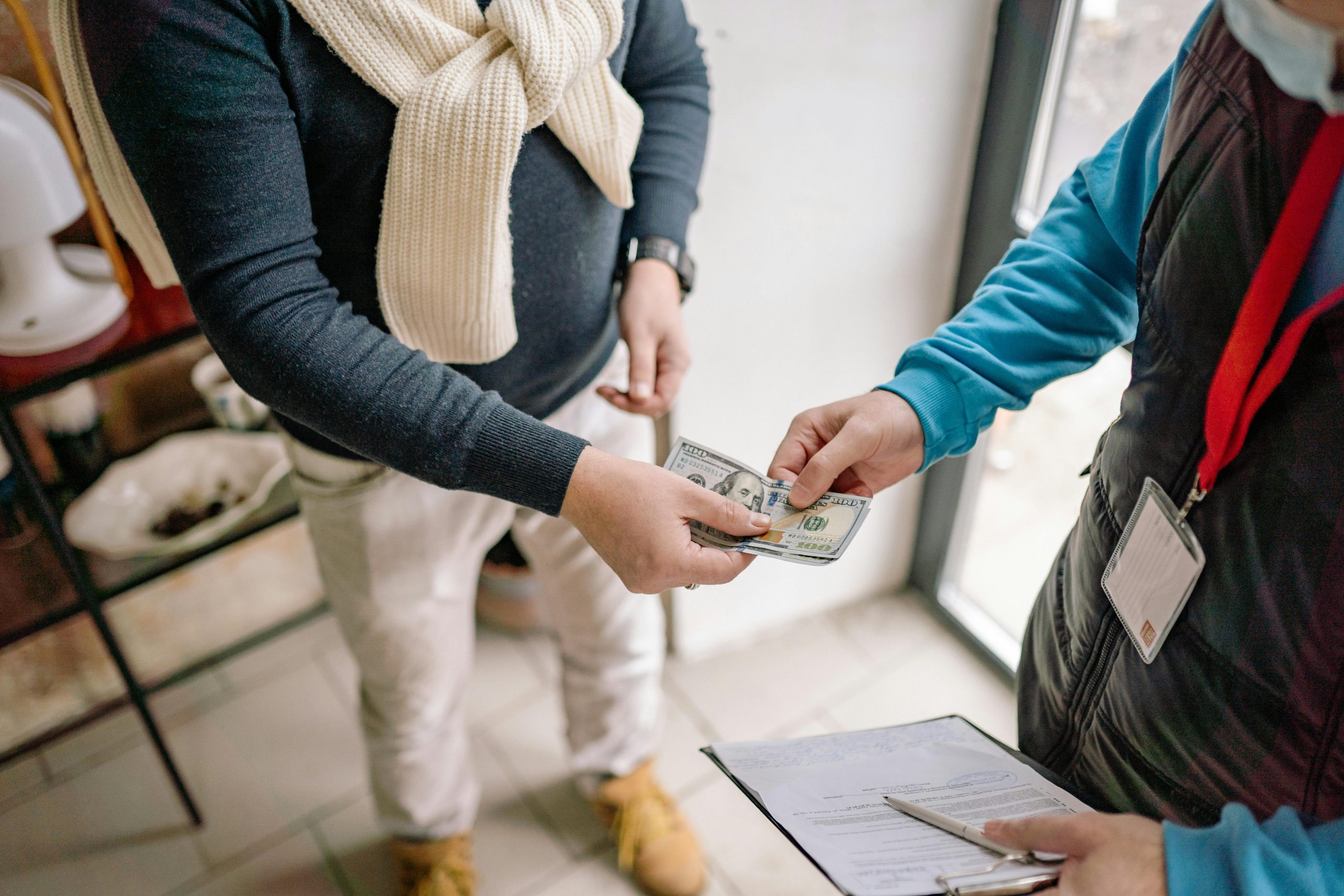
Do Your Research on the Seller
Before making a purchase or selling to someone online, it’s crucial to do your due diligence and research the seller. Check their reviews and ratings on the platform where you found them. You can also do a simple Google search to see if there are any red flags or complaints against them. Don’t hesitate to reach out to previous buyers or sellers for their experience with the individual. This will give you a better understanding of their reputation and whether they can be trusted.
Use Secure Payment Methods
When buying or selling goods online, always make transactions through secure payment options. Most reputable platforms offer payment options such as PayPal, credit cards, or/and escrow services. These methods offer buyer and seller protection in case of any disputes. Avoid using cash or wire transfers, as these are difficult to trace and can leave you vulnerable to scams.
Never Share Personal Information
One of the most crucial tips for safe online transactions is never to share your personal information with anyone. This includes your address, social security number, and credit card details. Reputable sellers will never ask for personal information, and if they do, it’s a red flag. Keep your personal information private to avoid identity theft and other fraudulent activities.
Meet in a Public Place for In-person Transactions
If you’re buying or selling an item that requires an in-person meet-up, always choose a public place. This could be a coffee shop, mall, or police station. Never invite a stranger into your home or agree to meet in a secluded area. It’s always better to be safe than sorry. If possible, bring a friend or family member with you for an added sense of security.
Carefully Read Item Descriptions and Ask for More Details
Before making a purchase, make sure to carefully read the item description and ask for more details if needed. Some sellers may use generic images or descriptions, which may not accurately represent the item. Request additional photos or videos to get a better idea of the item’s condition. For selling goods, make sure to provide accurate and detailed descriptions to avoid any misunderstandings or disputes with the buyer.
Keep Proof of Transactions
In case of any issues or disputes, it’s essential to keep a record of your transactions, including receipts, messages, and emails. This will serve as evidence and make it easier to resolve any problems. It’s also advised to take screenshots of the listing or item description before making a purchase, in case the seller changes or deletes it after the transaction.
Trust Your Instincts
If something doesn’t feel right, trust your instincts and avoid the transaction. Whether it’s a suspicious seller or an item that seems too good to be true, it’s always best to err on the side of caution. Scammers will often try to pressure or rush you into making a purchase or providing personal information. Don’t let them manipulate you and always prioritize your safety.
Conclusion
In today’s digital age, buying and selling goods online has become the norm. However, it’s vital to be aware of the potential risks and take necessary precautions to protect yourself. By following the essential tips mentioned above, you can ensure a safe and secure online buying and selling experience.